This fear of the blank page, this fear of not having the skill to translate one’s communications between inner world to outward presentation, this fear of lacking creative ability to express beauty, this fear, this paralyzing fear of inadequacy, does it ever go away?
It doesn’t. At least for me.
I was going to erase that first sentence/paragraph…it wasn’t what I intended to write about today. The whining, it’s tiresome, no? But I would be leaving out one of the more difficult aspects of my writing practice if I did. And here, with these posts, I’ve promised authenticity.
So, my writing process becomes a matter of forcing myself through the exercises of creativity, forcing myself to the habit. The routine feels the same way one feels dressing for the gym: snapping spandex to the waist (a paradox of constriction and freedom of movement), flattening my breasts with a sports bar (not giving in to the inevitable rise of claustrophobia), rooting round for a sweat wicking tank (a clean one), short socks slipped over the toes, the heel, to hug the ankles, bending, crouching, gathering then looping the laces on my sneakers, and finally, the deep (resigned) inhale, then exhale, stepping onto the gym’s rubberized floor, heading toward the weights beneath the coach’s patient gaze. And after the workout? Euphoria.
All that to say, it takes a lot of energy (and time fiddling round “getting dressed”) to do creative work. I think this is why I dance round so many different creative projects…to keep my head in the creative game. When one project seems insurmountable, another can feel feasible. The dangling addiction to euphoria (in writing, it’s when things—words, metaphors, ideas, images, sounds, etc.—come together, surprise me; in drawing or painting or sculpting, it’s when forms, colours, lights, shadows, etc., come together, create something beautiful)[1].
But there’s also an issue of commitment…it seems I have one[2]. Fear of inadequacy is one thing; fear of sharing my creative work with the wider world is something different. (Though, I suspect, related.) I know I’m resisting. I know I’m avoiding. I haven’t been sending my work out for publication[3]. What I don’t understand (yet) is why[4].
So, I’m studying my fear. Not just to understand its origins but to understand how the development of belief systems shade behaviours to come[5]. I suppose we could call belief systems the stories we tell ourselves. I’m studying how those belief systems move, crossing space and time, forming our lives.
I know it’s my own thinking holding me back. Knowing the issue doesn’t solve the issue. I’m working on it. Working through it is going to take more than spandex. Love helps. Love, really, is the answer to all of it. Loving attention and a devotion to loving attention. Love bends belief systems to become better, beautiful. I’m not being trite here…love is what shapes…art, yes, but also, us. Love shapes humans. And, I imagine, the more than human world too[6]. The betweenness, the relationality, the reciprocity, is important.
And this put to mind a thought I had recently, a floaty thought, connecting the actions of drawing/colouring with recent paragraph development work with Nina Schuyler. One of the things (of many) that I love about Nina’s breakdown and discussion of sentences is her systematic illumination of how the techniques achieve emotional impact for the reader. I realized the layering approach of sentence structures, both within a sentence, and sentences in relation to one another in a paragraph, is akin to the layering of colours, light and shade, when painting or drawing. The idea brought home for me how a paragraph creates an emotional resonance …a translation of complex emotion(s) layered and transferred to the page. Words, as symbols, representations of “things”, are inadequate in and of themselves to render the emotion… “joy” for example, is too abstract, too far removed from the body-mind sensations and experiences, disconnected from the cascade of memories, desires, wishes, instincts associated with the word, but the sentences and the paragraphs build in tandem to create that wonderful harmonious effect and impact with text.
This is the same way a song is layered with longing or love and attained through tempo, melody, harmony, lyrics, tone, volume, instrument variety etc. Art, including literary art with its intentional, architecturally constructed intercourse, I’m only now appreciating, enables exploration and expression of interiority and exteriority when language might so easily lead us astray. The foundation of such architecture is loving attention to the heart’s desires, the heart’s revelations…whether that be focusing the beauty of a pomegranate or a pear, or a surprising word, metaphor, or image generated using stream of consciousness writing. Some thoughts anyway…
[1] Cooking, while also creative, follows a shorter, more predictably satisfying arc. At least I get to savour the efforts. Also, sharing them with others remains, despite years of practice and repetition, a magical joy.
[2] A little about me [and married]; I will never allow myself to be owned again.
[3] I have one piece, the introduction section of my longer project, submitted at one literary magazine…I am working to WILL an acceptance there.
[4] I read today, an inspirational maxim (normally I’d eschew), attributed to William Ward (though, chasing these quotes from social media proves an erratic, enigmatic, time swallowing quest), “To place your ideas and dreams before a crowd is to risk their loss” …is this what I’m afraid of, losing my dream? No longer having a dream? An interesting thought…
[5] This study, which, thankfully, dovetails day job research, integrates stunning intersections across disciplines: epigenetics, early childhood development, neurochemistry, physics, philosophy, psychology, history, anthropology, biology, sociology…
[6] This time last year I read Bruce Chatwin’s The Songlines. It had been part of my sister’s Indigenous Studies curriculum, and I stumbled across it while packing up my own books preparing to move. An interesting read as a window into the sociocultural attitudes re: women and First Nations peoples in the 1980s, an aspect which, unfortunately, may prevent a contemporary reader diving in…I think, all the more reason to read it, but that’s not what I want to highlight. What sticks with me is the belief system described in the book, how Aboriginal Australians maintain songlines, pathways of knowledge crisscrossing Australia, the sky and the water, also called dreaming tracks, that link stories with features in the environment, by continuing to sing the world into existence through loving attention. (I am paraphrasing a super complex and fascinating world view.) Here’s a short video describing songlines and the links on the subject beneath the video are excellent.
The Kiss, Francesco Hayez, 1859, oil on canvas, in the Pinacoteca di Brera in Milan. Gorgeous painting and a delight to see in person. It’s kind of emblematic of how Italy makes me feel. The painting is meant to convey, and I’m summarizing here, that as much fun as romantic dalliances are, responsibility and honour lie with one’s allegiance and loyalty to state and country (as symbolized by the youth’s step “up the ladder” of stairs and commitment to an important life of patriotism).
This post is the first in a series of reflections about travels in Italy. I experienced so much beauty to reflect and weave with creative process, there will be one or two additional posts, I’m sure. This first, which began creation on a glorious day devoted to overcoming jetlag and quiet reflection1, (was that yesterday?) is more mish mashed reflection, depicted with photographs as opposed to writing. It needs to be…there is so much, too much, to cover.
It’s odd, I know, that one of my favourite experiences in Italy is opening windows. It’s not simply the stunning views they open to: neon signed and steel-coloured cobbled streets of Rome, lushly vined and golden hills of Tuscany, neoclassical architecture of Milan, or the watery canals of Venice, but moving through the action of opening each window. The grasp of solid metal handles, negotiating the satisfying arc that releases a latch (often beautifully crafted in and of itself), feeling the smooth swing of heavy wooden shutters, both inside and out, experiencing the transformation of a view seen through the waves and bubbles of ancient glass to clear and open air—for these windows never have insect screens—and immersing the scents that blow in (freshly baked bread, brittle crush of autumn leaves, rain kicked up dust…there’s a word for this, petrichor, earthy soil, olive oiled bon fire smoke, the honey sweet miracle smell of lime trees, ocean brine, and yes, sewers, garbage, the sour mash of fermenting grape skins and dog shit). The windows are always set in thick stone walls, some as deep as my arm. When I lean out, I think of all the other people who must have done the same, from the same spot, with the same thoughts, the same impressions, the same appreciations, and I experience a sense of profound connection to the landscape, the people and the history of the place. Deep inhale. Ecstatic exhale.
Views from various Italian windows
I know it doesn’t look like much but the combo here of pistachio larded mortadella sliced so thinly it was almost transparent, folded round pillows of air and pocketed in pizza bianca…a mouth miracle. Antico Forno Roscioli in Rome.
I ate and ate and ate, ingesting the full but simple flavours of sun ripe tomatoes, grassy olive oil, spongey bread, chewy pasta tossed with loamy truffles, oil cured anchovies, buttery cheeses, hard, salty cheeses, marzipan, hazelnuts and chocolate. I repeatedly experienced the transportive wonder (transporting one to where? …no, this isn’t right…dropping one into a still moment of appreciation of wonder, this is what I mean) when food is accompanied by wine. It’s a dynamic wonder: both the food and the wine change as the meal unfolds, mediated through temperature and air and textures and flavours, combining and recombining differently each moment across the lips, the tongue. How sharing this, at a table laughing with friends, friends who love you, is part of the wonder and absolutely essential to the experience.
I had more than a few episodes of weeping, unexpectedly overcome in certain moments by beauty.
Once, gazing at the carved marble calves and feet of a statue of the fallen son of Niobe in the Uffizi2.
Another, listening to my friend, a concert pianist, practice Bach, Debussy, Chopin, in her gorgeous villa with a magical bed I got to sleep in, the percussions echoing the stone walls while I journaled in my notebook and copied down a poem, Brahms, written by Robert Bly.
Another, reading poetic words about Picasso’s hands, written by Max Jacob3.
Truly mind-bending was the paradoxical viewing of classical artworks alongside contemporary ones, often in the same day, and once, in the same museum space4. I loved this jangling stimulation. Especially as a necessary counterpoint to the complete saturation (assault?) of the same composition, the same colours, the same story, of the Madonna and Child, over and over and over again. It makes one appreciate anew how dominant that story has been to the exclusion of so many others.
Who needs genetic testing?Here, have a delicious baby love the shadow here as much as the wood carving Claudia Schiffer wishing she could trade this baby for an orange coat this is simply beautiful I almost missed seeing this one – came round a corner and looked up and there it was, a great laugh and fun
Lillian (daughter #1, studying in Milan this semester), joined me for several different legs of the trip, including Florence, where we toured La Specola, the oldest scientific museum in Europe. I had read about the wax models of fruits there, in a book, years ago, The Land Where Lemons Grow : The Story of Italy and its Citrus Fruit, by Helena Attlee. It was fascinating and absolutely stunning to see the intricate artistry applied using beeswax and pigments to create models of plants and animals and human anatomy to serve as teaching models. The attention and accuracy of detail blew my mind: the brain, the circulatory system, the nervous system, the reproductive systems….all the teeny tiny veins and arteries and lymph nodes meticulously recreated in coloured three dimensional form. For 3 Euros, we joined a tour…in Italian. I didn’t understand most of it. Still, fascinating to see. There were also cute little dioramas of scenes from the plague. Macabre, I know. I explained to Lillian how horrific the smells would have been. Interestingly, this subject paired nicely with the exam she was studying for, European economic history, where, alongside war, disease played a major role5. Anyway, this exhibit brought home the idea that art and science are not separate entities, but rub up alongside each other companionably.
Here’s a selection of “things I saw on the walls in Florence”:
Here’s a picture of a person wearing an outfit that was just as beautiful and could have been part of the Picasso exhibit. We gazed at the same painting for a long time, standing side by side, and I really wanted to tell him how impressed I was with his outfit. But, I was too shy to say so.
Also, so much beauty in natural form…something I began to miss amidst the cement cities and throngs of people.
Organic market …persimmons in the foreground, looks like a Renaissance painting.
It was impossible to write much while I was away…vibrating with so much stimulation, it was difficult to settle into any kind of focused reflection. Just tried to attend, be present and capture and take everything in. Again, I carried my pencil crayons around in my backpack, never once using them. I’ll have to make up a word for this, the act of taking art supplies on a trip but never using them…a botch-batch? non-accoutrements? artfail? I’m too tired, I have no idea. Surrounded by so much beauty and creativity and humanity, I couldn’t help but notice the manufactured green spaces, the cultivated farmlands, the hustle and bustle of humans living densely, compactly, layering upon one another with bricks and mortar and sweat and tears and laughter. I craved the lake and the sky and the horizon of home. Perhaps this is why my favourite part of being in Italy was opening windows.
This is the view I crave. And a dear friend stocked my fridge with cheeses and milk and these gorgeous eggs from her sister’s hens for when I returned home…when I opened the carton I teared up again…for these too are beautiful. Also gratitude… for it all.
Yours truly.
I returned to work Tuesday, hundreds and hundreds of emails. 807 emails. ↩︎
Dying Niobid, Roman Art, 2nd century CE, the male figure is depicted on the ground in agony, struck by the arrows shot by the sons of Latona. For some reason it was the perfection of the figure’s legs and feet that really moved me. How they’re suspended in the air, as if, were I to reach out to stroke a calf, I might have felt the warmth of life depart the body. ↩︎
From the Palazzo Reale Picasso exhibition notes: “In support of a palmistry study of Picasso’s hand [1902], the poet notes in a prophetically: It’s like the first spark in a fireworks display/…/This kind of living star is only rarely found in predestined individuals […] Aptitude for all the arts”. I have no idea why this made me cry. ↩︎
These photos were taken from various museums, but the modern icons in conversation with Renaissance works were made by Francesco Vezzoli to create a site-specific exhibition in the Museo Correr in Venice. I was visiting the library museum but my ticket, serendipitously, afforded entry into this museum as well. The blue lady was in the courtyard of the Airbnb in Venice, Involucro Yves Klein, by Elia Alunni Tullini. ↩︎
My mum, a New Zealander, always referred to the game of tic-tac-toe as noughts and crosses. She allowed (encouraged) us kids to draw the 3×3 grids with a blue ball point pen on the soles of her bare feet (size 9, ample space). An aside: the ubiquitous Bic pens of North America are called biros in NZ and the UK (No relation on my Hungarian side, unfortunately. Though my relatives had owned vineyards in Hungary and vacation homes in Trieste, all was lost in WWII. I digress…I’ve been reading Nabokov’s glorious memoir Speak Memory—its White Russian émigrée-ness, a crude comparison to my own father’s flight to freedom following the Hungarian uprising, I know, but I make it anyway, romantic that I am—is rubbing off on me, chalk powder lifted from the pale wing of a lambent moth).
Our ball point pen plays afforded mum a relatively undisturbed, albeit tickly toed, mug of tea (tankard shaped, insides furred with tannin scales the way she preferred, “don’t wash my cup!”), with a cigarette we eyed as the orange embered ring sucked ever closer toward its filter, horizontal ash cylinder elongating and sagging before she flicked it, a moment before gravity might claim it, into a dusky glass ashtray. Likely she was reading the latest library copy of a true crime book. Not aloud. Though I longed for her to read to us, she rarely did. Once I learned to read—late, I admit to my mortification (my maternal grandmother berated my incompetence, publicly)—I read all sorts of picture books and novels to my younger siblings, delighting how my affected accents, particularly the ‘v’ pronunciation of any ‘w’ (mimicking our Hungarian Nana’s voice) in Roald Dahl’s Witches, transfixed them. Through the dining room’s picture window, we listened to the lake waves heaving ice sheets to hills along the limestone shore, the scrapes and wind moans as the water worked its way, churning through its six-year replenishment cycle. (There is an explanatory purpose to this dendritic pathway of recollections, I promise.) Inside, we vied to place our O and X marks in a horizontal, vertical, or diagonal row on the pink spongey under pads of mum’s feet and be crowned ‘the winner’ (an additive aspiration as opposed to elimination rounds: three strikes and you’re out[1]).
It often happens the book I most need to read winds its way to me at exactly the right moment. And so it has been with Speak Memory. I had (again) tied myself in knots and was very cross indeed, attempting to force my long project (book length work) into a structure that just wasn’t working. Maybe I’ve posted the disconnected threads of this creative work here already, too lazy to check, so here it is again: a series of pop culture refences used to hang two different story lines on, weaved (somehow? this part was really screwing with my head), periodically interjected with commentary from a cast of [internal] characters (who seem to keep growing in number). The first storyline, a recollection of past events relayed chronologically, wasn’t working at all – how the hell do I narrow down which scenes to relay? The second storyline, recent events relayed with reverse chronology (and totally taking over the narrative) also wasn’t working because the cinematic renderings felt puerile. Mountains of frustration and angst. Flip flop to working on other things. Flip flop. Flip flop.
Reading grounds me. And I read this elegant passage from Chapter One of Speak Memory that must be transcribed here—lengthy, I know, but any attempted summary would cheapen it. I’ve highlighted the last sentence because it was this line that launched an epiphany regarding my own project and what I’ll try to convey with the remainder of this post:
“But let me see. I had an even earlier association with that war. One afternoon at the beginning of the same year, in our St. Petersburg house, I was led down from the nursery into my father’s study to say how-do-you-do to a friend of the family, General Kuropatkin. His thickset, uniform-encased body creaking slightly, he spread out to amuse me a handful of matches, on the divan where he was sitting, placed ten of them end to end to make a horizontal line, and said, “This is the sea in calm weather.” Then he tipped up each pair so as to turn the straight line into a zigzag—and that was “a stormy sea.” He scrambled the matches and was about to do, I hoped, a better trick when we were interrupted. His aide-de-camp was shown in and said something to him. With a Russian, flustered grunt, Kuropatkin heavily rose from his seat, the loose matches jumping off the divan as his weight left it. That day, he had been ordered to assume supreme command of the Russian Army in the Far East.
This incident had a special sequel fifteen years later, when at a certain point of my father’s flight from Bolshevik-held St. Petersburg to southern Russia he was accosted while crossing a bridge, by an old man who looked like a gray-bearded peasant in a sheepskin coat. He asked my father for a light. The next moment each recognized the other. I hope old Kuropatkin, in his rustic disguise, managed to evade Soviet imprisonment, but that is not the point. What pleases me is the evolution of the match theme: those magic ones he had shown me had been trifled with and mislaid, and his armies had also vanished, and everything had fallen through, like my toy trains that, in the winter of 1904-05, in Wiesbaden, I tried to run over frozen puddles in the grounds of the Hotel Oranien. The following of such thematic designs through one’s life should be, I think, the true purpose of autobiography.”
Reading the two scenes at two points of time hinged (beautifully balanced) on a matchstick …how do I explain this? It gave me permission (and a concrete example) to think about my own family stories in a completely different way, approaching the writing through connections and associations without a need to be nailed to chronology (more cosmology).
Then I went for a walk with a friend, windmilling my arms ecstatically as I explained (she’s very patient) my intention to (re)enter my writings with this Nabokovian lens to search for thematic emblems or symbols connecting my memories across space and time. She stopped walking, turned toward me with trance-like calm, placed her palms on my shoulders, and with uncanny clairvoyance, suggested the theme I might be chasing[2]. Of course. Yes! Of course. I felt the knowing satisfaction one gets having accomplished a particularly tricky play in a game or solving a riddle or a math equation or when an errant puzzle piece clicks into place[3].
With a deeper understanding of what I’m exploring and using an associative approach I re-wrote the introduction of the long-form project (the 12th time? more?). And it unfolded easily. The writing slipped into place[4]. Naturally. Organically. The “story” skips across space and time, mimicking, I imagine, connections between neurons and the way sensory information shunts emotional layers in and out of memory. It’s a natural shape—neuronal axon connections between dendrites in the brain—the same shape as tree branches or root systems, the same shape as alveoli and bronchioles in the lungs, the same shape of tributaries and rivers, the same shape the wind carves rock into canyons.
And then, writing the introduction by following associations and matching up different thoughts and experiences across time and space (match!), I felt the appearance and associated meaning of the (yet to be written) closing section. And voila, a “frame’, two goal posts materialising from the mind’s mists with a great wide-open field of play ripe for exploration and elucidation between.
The writing of the intro also handed, like the passing of a baton to the next runner in a relay, an associative anchor to serve for the next section. Then a second anchor followed that…the blossoming orientation reveals itself faster than my writing can keep up. And I’m suddenly cautious, mindful I don’t want to trip into the trap of crushing ideas to shape what I think might be the meaning (I too often do). I want to relax into the magic of associative process…which is almost all feeling…a pleasurable groping in the dark. Instead of checking boxes in a tic-tac-toe line, it’s necessary to transcend the grid and attend to the curvy swervy intersections as they sift loose the matrix and settle into place. A long game to be sure, more adventure I’d say. But a deep pleasure chasing after nebulous meanings and satisfaction when they unite, wet inked, pen in hand.
I note, writing…the actual act of writing, is the only way to journey there[5].
Here’s a diagram of the structure I’m feeling my way through (it looks more complicated than it is).
It’s like a spiral of discrete associative sections, circling a central axis of a theme. I think of it as less of a spiral though, more like a spring (coiled in tension…it’s the emotional tensions that will pull a reader through…at least, that’s my thought process at the moment).
The thing is, there are so many ways one moves back through the coffers of memory. Teasing experiences from the mind…the events shimmer and change, scuttling light and shadow through the prism (prison?) of one’s mood. The whole adventure requires slow and curious study to progress the writing with a cool (and open) (and loving) mind.
I would have written it’s serendipitous Nick Cave’s missive today hits a parallel mark, but I suspect there’s less coincidence[6] in these things than we believe: “To write a song requires a reckoning. We roll up our sleeves and through rigorous application encounter the disastrous and mortifying condition of our interior selves. We exert poetic order upon the turmoil and chaos. We hew and hone and bring structure to the stricken heart; we codify our weary souls, giving form to the blues.”[7]
I’ll close by plucking my own curated associations from Nabokov’s closing paragraphs and lines in Speak Memory, found poem-like, manipulating his words into a malleable sculpture to meet my mind’s own bends[8]:
“Laid out on the last limit of the past and on the verge of the present, it remains in my memory merely as a geometrical design…what I really remember about this neutrally blooming design, is its clever thematic connection…it was most satisfying to make out…something in a scrambled picture…that the finder cannot unsee once it has been seen.”
It’s hard to believe in magic. No, that’s not quite right. It’s hard to maintain faith in magic. But it’s there. It requires a practiced (and constantly practicing) eye (and the writing hand(s)) to feel it, coax it forth, recognise it. And though I trip often, injure myself repeatedly in the never-to-be-won plays of this writing game, it’s no fun sulking on the bench. Put me in coach, it’s all fun and games, until I lose an eye. Play on.
[1] An empty threat; I’ll never extend a third feeler.
[2] She’s done this before on at least one other crisis occasion, becoming a human divining rod to deliver the universe’s elegant solution when I’ve missed its crystal clear, often repeating, simple message.
[3] Carolyn, you’re right, I do tend to write the same things three or more times in a row. But I can’t cut them. I just can’t. Sigh.
[4] I can’t help but relay the observation that when I’m writing this way, I completely fall outside time (disastrously sometimes, arriving to work late and later, and, more recently, as I’m transitioning into writing more at nighttime to avoid this, discovering hours have slipped me by. Hours!)
[5] Filtering, almost entirely it seems, through the subconscious.
[6] I mean, the word coincidence alone hints at the associative pattern with the nuance of a ball-peen hammer striking one’s thumb numb.
[8] Sorry Nabokov, hope you’re not rolling in your grave.
Diagramming process, here’s a drawing of the dendritic (associative) pathway of this blog post. Importantly, I drew this AFTER I wrote this post, not before. For writing this post, I came up with the title first (this is often the case….a single line to begin the writing) and wrote from there, the images and memories and my recent readings all being pulled into place around the vague theme of “games”. This was, no doubt, spurred on by another quote of Nabokov’s I’ve been wrestling with (having trouble with his word deception) about his observation related to the way insects use mimicry to avoid detection and how this relates to art: “I discovered in nature the nonutilitarian delights that I sought in art. Both were a form of magic, both were a game of intricate enchantment and deception.”
I think the best sound in the whole wide world is laughter. I was going to narrow down to toddler laughter which bubbles up and out of little people bodies as the best of champagnes, but really, it’s any laughter expressing unreserved joy.
I’ve been crying a lot. I used to worry that if I ever started crying, I wouldn’t be able to stop. If I opened the sluice gate, an ocean of tears might wash me away. So, I didn’t cry. At least, not often and never deeply. But now I do. Grief feels soggy. Heavy. The way a body feels waterlogged after a full day of lake swimming, skin sponging the tang of seaweed, fish scales. I’ve felt, at times, as I move through these days, that I’m sunk beneath a wobbly surface. Laughter pulls me up splashing. Up and down; the way life moves.
Grief, like creativity, is a process. Six months post leaving my marriage I’m …still processing. But the grief—which doesn’t erupt a monstrous geyser in the way I feared, instead[1], it’s discreet weepings I indulge then pack up and away, get on with the day—has illuminated my writings. Allowing myself to cry has also allowed myself to see and understand some of the reasons I’ve resisted revising my own pieces…I wasn’t ready to see the pain I (unknowingly) layered there. By pain I guess I mean sorrow…regret…shame. Seeing it now feels…embarrassing. It’s so obvious. Like, decades of obvious.
Crying improved my (re)vision; laughter, goddammit, is gonna help me process embarrassment. Kind of feels like answering the front door in the nude. Would I do this? Maybe. It’s important to push my creative practice from its pillowed comfort towards the perilous shadows. The only way I’ll learn and grow.
A recent Saturday afternoon found me staring down the barrel of a good cry. I was going to write too…I seem to be able to do both these things at the same time, a curious dexterity that won’t earn me any trophies. A friend texted she was running a creativity workshop, something to do with comedy. Few people showed up, would I join her? I read the text through watery shimmers and worked to compose a polite decline. But my hands refused to send the message. My fingers deleted my crafted decline three times before I twigged I wasn’t entering the right response. So, I typed I’d put a game face on and be there.
The workshop included drama and improv games, the kind of theatrical exercises that involve the whole body and breath work and screaming out your chosen name[2]. The kind of exercises that, had the bartender offered to give me a public enema instead, I would have enthusiastically accepted[3]. I will say that I traded an afternoon of crying for laughter (and embarrassment) and I had a lot of fun. Unfortunately, some of this was caught on camera, which I leave here for your enjoyment with the caveat that I look much better when I let my hair down and sport moonbeams. I even ended the afternoon singing a karaoke song[4]. Invitations: can’t fault an old broad for sounding boundaries[5][6].
It started as a low laugh, skipped stones tingling my throat, expanding rings with every exhalation, a laughter that brought the rain clouds down, had me surfing the troughs to the crests[7].
Keen eyes will note I am the ONLY one laughing in this most bizarre of situations. For context: the woman with the tambourine is performing interpretive dance while the woman on stage sings a parody of Snow White’s (in Snow White’s voice) feelings of oppression from society just because she leads a polyamorous life living with seven very short men. The workshop was in the Royal Tavern, one of Ontario’s oldest bars, dating back to before Confederation, once owned, for a short time, by Canada’s first Prime Minister, John A. Macdonald, a man purported to drink from a water glass filled with spirits when he stood to speak in Parliament. Having stood on the stage, I kinda get his methods.
[1] Ok. Not entirely true. I did experience some epic wailing sessions. Interestingly, the worst of them brought on by reading a most beautiful passage in the novel Foster, written by Claire Keegan, where the little girl protagonist gazes across a field topped with dozens of flitting white butterflies. The scene hauled up an image of my own (no longer) vegetable garden, the golden light of late August lighting up the cabbage moths like confetti, hovering the flower blossoms, circling the globes of fire red tomatoes. The grief took me then, a clenched fist to the stomach that had me gasping for breath and buckled my body. I mourn losing the garden.
[2] Aloura. I have no idea why that one popped from my mouth. Desperation I assume.
[3] Probably exactly what you need Biro, such a tight ass.
[4] Yes, of course this was after two IPAs, the only way to really get the pickle out of Miss Stress’s bum. I sang Journey’s song, Lovin’, Touchin’, Squeezin’, which I must assure you retains only surface significance with its glancing reference to crying. This was the first time I sang karaoke…I hit a few flat notes in the first phrases (dreadful, but the show must go on) and managed to warm up and belt out the sense of revenge the song requires to really hit it home. I dislike the too many na-na-na-na-nas at the end and left the stage long before those were completed. People had more patience in the 70s.
[7] I’ve returned to working on my longer form project, pulling out old sections of writings, collaging them together, stitching in some humour and even exploring my dark. Feels good to be moving again. Recent epiphany: I’m actually living the life I’ve always dreamed of …like, right now. So, resolve to stop crying and get on with shit. Embrace joy.
Collage I created March 16, 2024 in an art workshop facilitated by hiba ali at the Agnes Etherington Art Centre.
My favourite professor in undergrad taught neurophysiology, biological psychology and behavioural neuroscience of motivation. I have a distinct memory of his explaining how the size of the human brain is governed by the restricted size of the birth canal (technically, it’s referred to as the obstetrical dilemma) . Surprise, turns out it’s a little more complicated than that. Much neurodevelopment continues during the postnatal period and neuroplasticity is lifelong. But beyond this, our brains sufficiently evolved to invent machines with super-fast processing speeds and computational abilities. At this point, most of us have adopted palm-sized prosthetic brains in the form of cell phones, and with them, we have access to more information we could filter, sort or ever hope to synthesize, especially across diverse subjects.
This is what I was thinking about last week when I attended a webinar providing an overview of Google’s Notebook LM, a new AI application launched in December 2023, that basically functions as a virtual research assistant. Let’s call it an(other) extra brain [1].
Yes, I’ll be one of the early adopters, especially for my day job. But I’m also interested in how the technology could become a tool to support creative process. Though, to be sure, a tool used with caution.
A swift summary: LM stands for language model and the application uses the conversational question functionalities of ChatGPT, BUT allows you to curate a discrete library of your own source documents for the AI to search through. So, any question you ask will draw an answer from ONLY the documents you have provided, personalizing sources to a particular project, erecting a knowledge barrier you can control and thus greatly reducing inaccuracies and hallucinations [2].
The application currently integrates Docs, PDFs, txt, and pasted text using the cut and paste function. There’s promise websites will be able to be imported soon. Likely, the import of images, PowerPoint and even Excel sheets will be functional in the not-so-distant future.
An older collage I created December 2022.
I often use the search and find function in documents to locate phrases and key words. This is especially important when reviewing legislation and evidence reports under tight timelines, but I also use the function in creative writing to locate word repetitions, check misplaced homonyms, homophones, homographs, get rid of weasel words[3] etc. But this function has only been possible in one document at a time. I’ve used qualitative analysis software to support analyses and syntheses across interview and focus group transcripts, as well as multiple word documents. Using qualitative software, a considerable amount of time (time in which your brain actually feels like it’s turning to mush) is used to manually “tag” words and phrases in every source transcript or document to a category in order to code the text data. This can take weeks or even months, depending on how much text makes up the project and the theoretical approach you have chosen to apply. Once all of the text data is coded, THEN you can go in and query the dataset for analysis using your coding structure. The capabilities promised by Notebook LM will (almost) eliminate the coding step, allowing a researcher to jump right into querying the data for patterns and moving forward from a super advanced starting line.
Imagine this application for:
summarizing systematic research reviews (practically this is very similar to conducting qualitative analysis)
understanding legislation changes over time or creating a bylaws database that could be posted to municipal websites to support citizen Q & A
referencing medical symptoms and best practice guidelines – could this replace a visit to a family physician, linking a person directly to a pharmacist or triaging a health issue to an allied health care worker for virtual assessment and confirmation, at least for common non-emergency ailments?
Discovering patterns across historical documents or novels or essays or groups of poems or across all these different types of documents
Bringing disparate subjects together to spark different ideas, say climate resilience strategies, poetry, child development, hip hop song lyrics and how long to cook an egg [4].
My daughter Willa made this collage last week procrastinating school assignments. She is much better at collage than I am and has created some truly stunning combination of images. I love the mum and child flower heads in this one. This collage inspired me to sign up for the workshop, a welcome oasis of calm following the move into my new (to me) physical space. Another one of Willa’s at the end of this post. Thanks Willa!
The collage at the top of this post is a good analogy for the possible repercussions Notebook LM threatens related to creative licensing and copyright. I pasted the collage together from bits of cut out magazines and art books as part of a fantastic afternoon workshop facilitated by hiba ali, The Studio x Open Secret: Activating Dreamscapes. The images I used came from artists’ works and photographs from books and National Geographic magazines and I’ve cut and reassembled them without any credit to create my own artwork. Where should the line of creative appropriation, cultural appropriation, or plagiarism be drawn in these new digital spaces and the “new” creative works produced using these tools? [5]
Attending this collage workshop in the same week as the webinar kind of blew my mind – an ocean of virtual playgrounds to swim in. It’s also a little frightening, the control to create frames of knowledge that might hold sway an illusion of authority for many. I’m (somewhat) comforted to learn (also this week! my goodness) the word set boasts a Guinness World Record with the most senses of meaning (430!) of any other word. Other sources award this honour to run with more than 600 senses. Perhaps the english language will retain sufficient nuance an AI might never master (wishful thinking). BUT, language combined with gesture, intonation, facial expression, raw instinct etc. may give AI a run for its money (I hope).
Once we created our collages in the art workshop, we uploaded them to a digital art exhibition “world” space where we co-created together and were able to manipulate the images, integrate a variety of additional media (sound, text, links, gifs etc.). This application is New Art City. It reminds me of the game Minecraft my kids used to play when they were younger. Here’s a link to what I created playing [6] in the New Art City application with my own collage and the virtual gallery space: https://newart.city/show/souxs-virtual-creative-space-space-1.
All this virtual creativity at your fingertips for a song. To be sure, what we create as our real world is built from layers of many worlds—perceptual, spiritual, cultural, relational, linguistic, so many others—and, of course, virtual [7]. Jouer le jeu as they say in French, play the game. But the digital space is really an out of body experience; sometimes we might just have to communicate the old-fashioned way, you know, via email or phone or (gasp!) face to face. Especially when virtual platforms are an invitation to experiment interacting multidimensionally. Like I said, you’re welcome.
[1] Sorry Canadian peeps, the experimental version is only available to those living in the US. Canucks are still waiting to test drive the application.
[2] The information returned is less likely to be made up by the machine… hallucinations are complicated, I’m not going to try to explain them.
[3] From Matt Bell’s Substack, No failure, Only Practice, Exercise #14: Hunting Weasel Words.
[4] I know, weird, but you get what I’m suggesting.
[5] I don’t know the answer to this at all but it’s an interesting question and I would value a discussion.
[6] Other applications that I didn’t use but leave here as reference: Photopea, a free online photo editor; Free3D, free three dimensional models; Creative Commons, “an international nonprofit organization dedicated to helping build and sustain a thriving commons of shared knowledge and culture. Together with an extensive member network and multiple partners, we build capacity, we develop practical solutions, and we advocate for better open sharing of knowledge and culture that serves the public interest.”
Serendipitously, when I texted Willa to get her permission to insert her flower head collage in this post, she was working on this larger collage as part of a school assignment (not procrastinating this time ha ha, it’s for a final project about the mutual oppression of women and nature, although she had intended a textile applique but ran out of time). The photos in this work are from a woman’s beauty guide book from the 1980s, The Complete Beauty Book, an interesting, admittedly sexy visual commentary to be sure.
Certainly not as beautiful as Dante’s Dream , but for all that I love, drawn on my birthday.
This is a long read. Self-indulgent. I couldn’t help it. Some footnotes to keep the reader interested. Hopefully.
In 2019 I attended a writing workshop at Omega in Rhinebeck, New York (I write about that here). Several workshops ran in parallel, taking the better part of each day. The week I was there, an inordinate number of white women wore flowing, white, loose, muslin tunics with all their hair tucked up and disappeared beneath white turbans: the Kundalini yoga uniform. No one used the words “cultural appropriation”. I didn’t either.[1] Out loud. In the evenings, round robin sessions were offered where people might try other workshop topics. Yes, I tried the Kundalini session. It’s not for me[2]. But one must remain open to new ideas, stretch the mind, (and the body), and so it was I found myself one evening in a session with a celebrity psychic medium. It was an interesting session[3], but something the facilitator said really stuck with me: “Everyone can do this [be a spirit communicator – really?], it just demands a lot of practice, and the practice is paying attention, first, of course, but also trying NOT to make meaning out of the images and senses you are receiving, just report them as you receive them”. Like, if you’re a celebrity psychic medium, don’t puzzle the images together – that’s for the detectives looking to solve cold cases or the families who are trying to communicate with deceased loved ones. Huh. Okay.
But for writing, we need to make meaning of the images and the words and phrases that flow from them. The trick is not to solve the puzzle too soon.
With writing, I practice letting the images and even the silly ideas make it to the page. The result is that I now have a lot of blousy first drafts and half formed ideas lying around waiting for revision at some point (which feels like some distant sunrise cresting a dark horizon)[4].
It occurred to me[5], riffing off of last month’s post about writing and energy (slaps forehead), that what I need to practice more intentionally is READING the energy in my own writing. My own writings are trying to tell me something. The story is communicating through me (just as the energy to split wood effortlessly using an axe must travel through the body)…maybe I’m just the filter the story moves through to be born. I’m sure I’ve read this before…it’s only now I’m understanding it pragmatically.
So, with a spirit of nakedness, I’m using a recent response to a writing prompt[6] as a way to work through how I’m trying to read the energy in my own writing….while remaining sufficiently loose in interpretation and open to other ideas (before locking the story meaning down, aka, solving the puzzle). This is a first stab at explaining this process…
I wrote the piece in a quick, mostly relaxed, twenty-five-minute burst before I had to go to work. I have retained all the spelling mistakes, the lazy repetitions, the character name of Jo spelled two different ways, as well as the story’s devolution into stream of consciousness writing. I thought I would have time that week to fix it up before posting it to my workshop group. I didn’t. I posted it as is with the caveat about its devolution into imagery and all else.
And here’s the interesting thing—and why I’m choosing to write about this process here—when people responded to the piece in the workshop, each one indicated they had connected [more? best?] with the stream of consciousness sections: the writings that arrived subconsciously, those aspects of my shadow self, frolicking forth from dream territory. Hmmm. A sign like that can’t be ignored.
This post will necessarily be long to show my process. First, the piece unmarked, followed by the piece again with my thoughts and interjections marked in BLUE about what the writing might be trying to communicate through me.
The Red River swelled beyond its banks again, as it did every year. This year it attained new waterline records, bursting the city’s levies, its fluid tongue flicking the sand bags right and left like a prize fighter spitting chicklets in a fight to champion the world.
Mary and Joe arrived in separate vehicles, she a canoe, he a kayak. Mary tied the canoe to a lilac; Jo roped the kayak to iron railing leading up the front steps, now submerged. Each used their own spare key, twisting the front door lock a foot above the waterline. Each shouldered the door against the heavy water to enter their daughter’s split level. The house in the chichi neighbourhood had promised a view of the river. In this respect, it had overdelivered.
“She picked the wrong week to travel to Los Angeles.”
Mary sighed. She hadn’t wanted to start clean-up efforts with an argument. She stood in a foot of cold water that pressed against her knee-high rubber boots. Sloshing across the kitchen, her rubber pants rustled loudly as she fought to stay upright. The linoleum was slippery wavering beneath so much grey water, dotted here and there with soggy receipts and plastic bags ballooned into jelly fish. She and Jo rarely saw each other. They confined their spite to Thanksgiving and Christmas dinner tables. Without grandchildren, and now without their son-in-law (sandbagger), or their snooty daughters-in-law (good riddance), those dinners sunk before any plates graced the table.
Jo continued, “I thought she was in California.”
Not unusual, such misinterpretations. For too many years Mary excused these oversights, chalking them up to hearing loss. Too many rock concerts. Too many engines revved to screaming in the garage. After the divorce, she’d faced, brutally, what she hadn’t wanted to: he just didn’t give a shit. Content if given a hot meal every evening, if potato chips were snack ready, if clean underwear stacked in the dresser drawer, Jo cruised life. He erupted a stormy passion when things didn’t go his way. The family vibrated his tensions, always on the Joe program. And his own children just hadn’t been interesting enough for him.
“No, she’s in France, Anjou. Ville-sous-Anjou, like the pear.”
Mary’s heart sunk then realising the fridge, out of power now for three days, the vegetable crisper beneath the water line, would have to be dealt with. A rotten job (inwards she laughed, bitterly). She scanned the kitchen trying to remember where Lizzie kept the box of garbage bags, spray containers of cleaners, a mop bucket Mary might use to bail water. Where the hell could she bail the water to when the waterline lapped the window ledges, the river kept swelling? It was hopeless.
“This is hopeless,” said Jo. “Didn’t I warn her not to buy waterfront?”
Mary let his question hang, snuffing the old argument before it ignited. Doomsday prophecies, climate change, the water rising to take us all, tidbits he scraped from the internet, scrubbed, polished and hurled at listeners as if they were his own. Millionaires blasted the skin of the earth, their arcs of triumph going limp when they descended, backwards. In the end the laws of gravity, of inevitability, drown us all.
“I mean these days?” he pushed, “what the hell was she thinking?”
“Hell” said Mary.
She watched the look of confusion cloud Jo’s face. Honestly, he was so slow sometimes, she was glad she’d chosen not to see the end of the world with him. Yet here they were, sporting galoshes and yellow rain pants, knee deep in water wavering and rolling optical illusions.
Insert distraction that momentarily reconnects this couple – Saxophone – a boy playing their favourite song perched on the roof next door – the song they danced to at the engineering formal in fourth year – blue moon
Things floating: paper receipts, plastic bags, loose photographs (wedding?) – flood of pressure water build up – breaking banks – crashing shores, people waiting to be recused in the crooks of trees. Cars and boats and whole tree trunks, chesterfield, the deer, it’s snout bobbing above the waterline, antlers rotating with the spinning current, it’s bony legs and knees hoofing helplessly the fluidity, as if were running, running, pulling the belief of Santa’s sleigh, soaring the cold milky way vacuum, light years ahead, or behind.
From its path, the river would always find a way, seeping up through the layers of sedimentary rock, cracking the limestone shelves, eroding the granite walls salt shaker – grains of salt, crystals messenger feels like a warning shouldn’t ignore.
Deer swept along in it torrent, spinning, the antlers whirlpool, their legs kicking, trying to find a purchase as the reindeer of santas sleigh try to paw at the stars. Muddy – silt that when this all drained away they would excavate the kitchen tiles as one might an archeological dig, looking for the mystery they believed buried there, but only finding shards of animal bones, and indeterminate rock.
Here it is again, with my own thought interjections in BLUE and peer feedback noted in ORANGE (with permission). I’ve focused peer attention to the subconscious elements they honed in on (they provided lots of fantastic grammar, spelling and rearrangement suggestions; I have not supplied those here).
The Red River
[I was thinking of the Red River in Manitoba which, I discovered, had a flood warning in early January…but the word “red” kind of vibrates here (shimmers? it’s like my body shimmers) when I read it, so I know there’s something else there to be discovered. I don’t know what that something else is in this case (sometimes it takes me ages to figure these things out[7]). Red is my favourite colour…also the colour of blood and poppies…so, noted, and left to sit. For now.]
swelled beyond its banks again, as it did every year. This year it attained new waterline records, bursting the city’s levies, its fluid tongue
[I liked this combination of words to depict that imagery]
flicking the sand bags right and left like a prize fighter spitting chicklets in a fight to champion the world.
[here, the river is personified…and it’s fighting to “champion the world”…this resonates with the phrase later in the story re: the end of the world, and words such as “inevitable” and “drowning”]
Mary and Joe
[usually when drafting I just choose the first names that come to me as placeholders…the story, in later development, when I understand what it is trying to tell me, will warrant research for specific names that fit and shape the story on multiple levels. Another little puzzle I love. But, can’t help but notice the completely unintentional biblical reference to Jesus’s parents here.]
arrived in separate vehicles, she a canoe, he a kayak. Mary tied the canoe to a lilac; Jo roped the kayak to iron railing leading up the front steps, now submerged.
[Just seeing this now, as I work through this exercise – Mary’s boat is tied to a flower while Joe’s boat is tied to an iron railing, sunk cement steps – something living versus something non-living and immovable – a good comparison of opposites to exploit maybe…and as I reread this reflection again, deeper darker personal feelings]
Each used their own spare key, twisting the front door lock a foot above the waterline. Each shouldered
[“shouldered” vibrates for me, I don’t know why]
the door against the heavy water to enter their daughter’s split level. The house in the chichi neighbourhood had promised a view of the river. In this respect, it had overdelivered.
[noted: humour that twists, subtly, the house into kind of a character…weird].
“She picked the wrong week to travel to Los Angeles.”
Mary sighed. She hadn’t wanted to start clean-up efforts with an argument. She stood in a foot of cold water that pressed against her knee-high rubber boots. Sloshing across the kitchen, her rubber pants rustled loudly as she fought to stay upright. The linoleum was slippery wavering beneath so much grey water, dotted here and there with soggy receipts and plastic bags ballooned into jelly fish. She and Jo rarely saw each other. They confined their spite to Thanksgiving and Christmas dinner tables. Without grandchildren, and now without their son-in-law (sandbagger)
[this word, sandbagger, is an example of trying too hard to make meaning in the story too soon; I feel this as a niggling annoyance, one I too often bypass, thinking I know better than the story does],
or their snooty daughters-in-law (good riddance), those dinners sunk before any plates graced the table.
[ugh all this has to go]
Jo continued, “I thought she was in California.”
Not unusual, such misinterpretations. For too many years Mary excused these oversights, chalking them up to hearing loss. Too many rock concerts. Too many engines revved to screaming in the garage. After the divorce, she’d faced, brutally, what she hadn’t wanted to: he just didn’t give a shit
[uh, there’s more here – and a strong feeling of avoidance, even disgust? – need to crack this open – put my head into the jaws of this lion].
Content if given a hot meal every evening, if potato chips were snack ready, if clean underwear stacked in the dresser drawer, Jo cruised life
[interesting word choice, “cruised” in the context of a flood – pay attention].
He erupted a stormy passion when things didn’t go his way. The family vibrated his tensions, always on the Joe program. And his own children just hadn’t been interesting enough for him.
“No, she’s in France, Anjou. Ville-sous-Anjou, like the pear.”
Mary’s heart sunk then realising the fridge, out of power now for three days, the vegetable crisper beneath the water line, would have to be dealt with. A rotten job (inwards she laughed, bitterly)
[there’s me inserting myself – and I might be quick to hit the delete button here but must reflect my own behavioural patterns before I do: I often make a joke when I’m uncomfortable – an effective avoidance or distraction technique – so, what am I avoiding here? I do know, in this case, and it has nothing to do with this story, so it will be chucked in revision – probably the whole fridge bit. Not all my jokes are avoidance driven].
She scanned the kitchen trying to remember where Lizzie kept the box of garbage bags, spray containers of cleaners, a mop bucket Mary might use to bail water. Where the hell could she bail the water to when the waterline lapped the window ledges, the river kept swelling? It was hopeless.
“This is hopeless,” said Jo. “Didn’t I warn her not to buy waterfront?”
[the repetition of thought between these two characters, one internal, one external, and the way they follow one after another, illuminates a connection between them, even if they don’t want to see it].
Mary let his question hang, snuffing the old argument before it ignited.
[fire references noted – may be a good counterpoint to flood – fire and flood – disasters, apocalypse, possibly another biblical reference].
Doomsday prophecies, climate change, the water rising to take us all, tidbits he scraped from the internet, scrubbed, polished and hurled at listeners as if they were his own. Millionaires blasted the skin of the earth
[wound, violence, heat],
their arcs of triumph going limp when they descended, backwards. In the end the laws of gravity, of inevitability, drown us all.
“I mean these days?” he pushed, “what the hell was she thinking?”
“Hell” said Mary.
[Hell used twice, no, three times – another biblical reference? WTF?! When I was drafting, it was at this point I understood I had no idea where this story was heading, and I wouldn’t be able to wrestle it into a story shape before work]
She watched the look of confusion cloud Jo’s face
[maybe this is my story’s way of letting me know I’m confused. I don’t need the story to tell me that, I know already].
Honestly, he was so slow sometimes, she was glad she’d chosen not to see the end of the world with him. Yet here they were, sporting galoshes and yellow rain pants, knee deep in water wavering and rolling optical illusions.
[I’m drawn to the words “cloud” and “end of the world” and “water wavering optical illusions” – it feels like the natural world asserting itself …not just background, not invisible, but a living, breathing character in this story… a largesse the couple remain oblivious to, even when they attend to the deluge of information (note: deluge is another word for flood) they miss seeing the world for what it is, even when they’re knee deep in it]
[I was struck by this…Is this marking a change in Mary?]
[here is where I allow myself to record the images that arise, without trying to puzzle them in place]
Insert distraction that momentarily reconnects this couple – Saxophone
[Weird. Specific. Can’t be ignored. No idea what it means. Yet. But I like the image and opportunity to introduce sound]
– a boy playing their favourite song perched on the roof next door – the song they danced to at the engineering formal in fourth year – blue moon
[again that niggling feeling that blue moon is a cheap first attempt at something deeper….at the very least a different song (first impulse), but still, don’t dismiss too quickly because blue moon is synonymous with “rare” and should not ignore the connotations of sadness with “blue” and the moon, well, the moon…what can I say? There’s too much…].
Things floating: paper receipts, plastic bags, loose photographs (wedding?)
[interesting that level of specificity inserted here, a wedding photo…feels important…but maybe not for this specific story…my own feelings bleeding in here. Note, instead, an opportunity to place a subtle symbol of the meaning of this story (once I figure it out) as an image floating by the couple’s rubber boots. But maybe a wedding photo does fit…remain open!]
– flood of pressure
[feel a heat with the word pressure]
water build up – breaking banks
[note the double meaning of banks – river and money – and how these two meanings rhyme, conceptually – capitalism and destroying the earth to support it]
– crashing shores, people waiting to be recused
[love this inadvertent spelling mistake of “rescued” – a Freudian slip perhaps that warrants attention and questioning, especially in a context of climate change and an earth battling to be acknowledged and restored, perhaps once humans have been purged from its skin (as referenced earlier with millionaires) makes me think of excusing oneself from apocalyptic judgement…biblical reference again…so weird]
in the crooks of trees
[crooks – connotation with thieves but also I love how it describes the elbows of trees…that’s not quite right, I’m tired, but I kinda like the thought of trees having elbows].
Cars and boats and whole tree trunks, chesterfield
[I just love the word chesterfield],
the deer, it’s snout bobbing above the waterline, antlers rotating with the spinning current, it’s bony legs and knees hoofing helplessly the fluidity, as if were running, running,
[ah, the deer. The deer motif shows up for me along multiple planes: the page, over and over, in dreams, and at least once a week I see them out the window, often in a cluster of three. Of course I looked this up.]
pulling the belief of Santa’s sleigh, soaring the cold milky way vacuum, light years ahead, or behind.
[Santa’s sleigh?! good grief …flying deer …more like silly beliefs, suspension of disbelief….why light years ahead or behind…I don’t know].
From its path, the river would always find a way, seeping up through the layers of sedimentary rock, cracking the limestone shelves, eroding the granite walls
[river as character again]
salt shaker – grains of salt, crystals messenger feels like a warning shouldn’t ignore.
[something …probably not salt related…maybe just trying too hard …superstition of throwing salt over left shoulder…again, don’t know].
Deer swept along in it torrent, spinning, the antlers whirlpool, their legs kicking, trying to find a purchase as the reindeer of santas sleigh try to paw at the stars. Muddy – silt that when this all drained away they would excavate the kitchen tiles as one might an archeological dig, looking for the mystery they believed buried there, but only finding shards of animal bones, and indeterminate rock.
[like the imagery here of the deer spinning and swimming legs not being able to touch the ground, feels disorienting.]
[…really uncomfortable with the deer running helplessly in the water so I think there is some pay dirt there–not sure about Santa–but perhaps there is something there in the connection between a childhood belief and the beliefs (in marrying Jo)]
[ there is some real magic in the stream of consciousness paragraphs towards the end and the imagery is unsettling and just fits the situation so well that I wonder if it makes sense to sew some of that in as part of Mary’s observations of the problem.]
[As I read this, i had a sense of Jo floating by the main character in their marriage and never seeing her let alone becoming invested in her emotions or feelings. I think this is the heart of this flash.]
[Whoooooaaaaaaa!!!!]
[1] I was captivated by this and couldn’t help but wonder how many might be pocketing jade eggs up their yahoos. Yeah, it’s a thing.
[2] I nearly fucking died trying to do all that rapid breathing while pulling “my foundation” tightly into my core. I worked up a sweat doing it too! I was far more fascinated by the English woman on stage facilitating the session (white muslin tunic, no hair, white turban). She had the poshest English accent I’d heard outside an Oxford quadrangle and she was looking daggers at her partner as her staccatoed breaths pumped the mic clipped at her breast. He was a much younger, absolutely gorgeous (and shirtless) Caribbean man with shining dark skin and dreadlocks, and he was racing after their daughter, probably six or seven years old (small white muslin tunic, wild hair, white turban an unravelling ribbon), trying to catch her as she screamed her way round all the seated hyperventilators (us) and literally crawled up the walls to run along the windowsills. This delighted me no end.
[3] We were put in small groups and sat cross legged on the floor. We stared for a few minutes at a photograph of a well-dressed woman with haunting eyes seated on a white couch, then “reported” what we received. Having spent the whole wonderful week drawing and writing, I was feeling pretty relaxed, so I started, “I dunno, I see a baby’s rattle, a red sports car and an empty cradle.” The curly blond-haired woman sitting across from me, wearing an I-love-NY cropped t-shirt with its neck scissored wide so that it slipped to expose one of her pudgy shoulders and a purple bra strap, goggled at me and said “Whoooooaaaaaaa!!!!” I laughed hysterically by how easily I’d convinced her of something from my imagination. Though, it transpired the photo was of a wealthy woman whose husband had kidnapped their infant daughter, the pair never to be seen again. I didn’t think much of this at the time, more interested in getting an ice cream before the shop closed for the night.
[4] I am terribly undisciplined when it comes to revision…if I’m honest it’s because I have been afraid of the demons I’ll see there. I’m working on this.
[6] spin three different digital “wheels of fortune”, one for setting, one for characters and one for narrative point of view, then spit out a story <800 words. I got: a flooded kitchen, a divorced couple, and close third person. I resisted drafting a story given my recent separation and walking away from a kitchen I designed and adored and fed so many wonderful people in. I’m trying not to be materialistic, but I can’t help grieving the kitchen loss. Of course, this comes through in the writing, the marriage breakdown, and it feels…shitty. And I kind of feel like an asshole. I’m working on this, greeting my shadow self. Next month, I’m moving to an apartment downtown Kingston, a block behind the central library and walking distance to the university libraries. Despite this fantastic access to knowledge, I’ve prioritised packing boxes and boxes of books, tearily packaging them up these February Sunday afternoons at the farm. A dreadful process. I don’t know how I’ll fit all the books in the apartment. Maybe I’ll sleep on them, hoping to absorb their wisdom through my skin.
[7] I’ve noticed a pattern in my own thinking when I’m trying to read the vibrating word energy I feel there, and I’m wrestling with this discovery too: first, I read and respond through a “heart break” lens (unfortunately) – my interpretation is clouded by past hurts and sorrows. It usually takes me a day to work through this. Next, I’m able to flip 180 degrees on the initial interpretation and consider its opposing possibilities. Finally, after pleasurable reflection time, I settle into the relief and wonder and gratitude of multiple puzzle pieces dropping into place.
Rising to the challenge of learning new tricks, I’ve taught myself to split logs with an axe. [Insert vinyl record scratch – wait…what? Connecting chopping wood with creative writing? Can it be done? Can she do it? Yes. Yes, she can.]
We’ll bounce back to the axe. First, let’s chew over energy. I’m referring to the energy[2] transferred between writer and reader via words.
But that’s not exactly what I mean, not quite right.
Pause. Think.
I mean the deeper sense (yes, that’s it) moving beneath (between?) the words, infusing the communication with vibrating vitality that travels, magically, across time and space to touch a reader right in the feels[3]. This is the goal. It’s fucking elusive.
Poetry is good at it, yes. We know it when we read it, receiving the energy as a hit to the heart, a pinch in the gut, the diaphragm kicking up an exhale, tearspill from the eyeballs, etc. Songs, and music too, deliver emotions beyond words. But to create that infusion of energy as a writer? Well, that’s a whole different thing.
Gonna try and unpack the what/how here. Actually, I only get as far as trying to describe what this is like…I suspect the figuring out how to do it is a lifelong quest.
I’ve managed this feat of transference a handful of times. Always by accident [read: I have no idea what I’m doing…I just know when I’ve done it…some of the time]. The first time was in grade six when the teacher, Mr Pritchard[4], asked me to read my creative writing assignment aloud to the class. As I read—a passage filled to the brim with beauty and love and flowers and shell necklaces and turquoise seas and gorgeous Tahitian women with naked breasts—I felt a hush descend in the classroom. I felt every ear tuned to my voice, felt the beauty travel from within my body outwards to all the other kids who had stopped squirming at their desks and listened, captivated. It was a magical moment. But, tinged with shame I’m afraid because I’d plagiarised (ish) – I lifted the scene straight from the 1984 film, Mutiny on the Bounty, with Mel Gibson (who, yes, I swooned for in grade 6) and Anthony Hopkins (who terrified me). I’d transcribed the scene depicting the tall ship making landfall, the radiant “Natives” canoing the surf to greet the voyage weary sailors, shower them with strings of orchids, promises of paradise. Despite “stealing” the imagery, I felt the energy my writing created and its impact, and with these, the promise of its power…
Other times I’ve managed this feat: after reading my work at a poetry reading strangers approached me and I sensed they wanted to touch me, though they didn’t dare (so strange); in a message of condolence to a friend following his father’s death (a friend I have great admiration for and, at one time, was deeply attracted to…does this matter? It may); impressed in various email exchanges; sometimes in texts…actually, texts often have a lot of energy coiled within them, a kerpow sort of split and splintering humour I adore.
Some observations for when the energy transfer actually works (because yes, this is for posterity, so, be honest[5]): I have to be in the act of free writing, meaning, I can’t be directing the writing with my thinking (brain must be put on pause); I have to be relaxed; I have to be thinking about the person I’m writing to, or about, (or specific people)…not an abstract concept of “audience”; I have to be calm and unrushed but also focused; I have to “turn off” any questioning, i.e., second-guessing (the inner critic must be silenced). The feeling, when this is all flowing—because all these conditions must be met at once, simultaneously—is that the energy moves through the body onto the page. Where does it originate? This is a great mystery – from within? From without? Both? When it’s all flowing and the energy infuses the words…it feels… effortless.
And immensely satisfying.
Back to chopping wood. Though I have lived in at least two houses heated by woodstove, I’ve never been the person wielding the axe (or the splitter; I’m always the stacker and I’m afraid of chain saws or any loud power tools). The woodstove at this house is not for heating, it’s more of a vanity woodstove, ha ha, but damnit I wanted a fire. The logs, beautifully stacked just outside in the breezeway, were too big to wedge in the stove. Plus, I needed kindling. An axe lay at the ready, propped against the pile. When I first grasped the handle[6], I envisioned its blade wedged in the flesh of my foot, arterial blood spurting all over the place (I’ve cut the dickens out of my finger[7]). Not a good way to start. I raised the blade and tried to keep my eyes from shutting when I brought it down on a propped-up log. My body was tense and that tension transferred to the wood. The bit (of the blade) bounced wildly off the log’s end. Somehow, after repeated attempts and ricochets, I bruised the shit out of my fingers (not sure how that happened but it did). My initial swings were tentative (weak, timid). Slowly, I managed to figure out how to get the bit to bite the wood. But then I got the blade stuck and spent way too long, swearing a blue streak, extricating it. I got increasingly frustrated and yes, I wanted to cry. Maybe I did cry. But I wanted a fire! Frustrated and spent and not giving a shit anymore, I mustered a strength that began in the soles of my feet, travelled like a wave up my legs, through my torso, along my arms, the length of the axe’s handle. I raised that goddamned axe high above my head, creating a lever of beauty embracing momentum, gravity, tracing an arc, letting it fall to bite its mark on the log’s end, splitting it instantly, the two pieces of wood flying apart with an edifying crack. Physics! (I shouted out loud). Once I got the movement and the attitude down, I’ve been able to split logs with ease. Key: the energy must travel, as a wave, through the body, through the axe, to the wood. When the movement flows this way, the log splits without effort. Brute strength is unnecessary, even counterproductive; energy moves with elegance. Exactly the same way it can flow through writing.
Now all I have to do is figure out “the movement” that invites the energy to move through…
Speaking of quantum physics (we are, aren’t we?), in a recent workshop I was challenged to write a flash narrative integrating quantum physics. In workshop, my piece was one of fifteen to “win” feedback from a SmokeLong senior editor (who knows, maybe only eight of us entered). To be clear, this piece DID NOT (at all) succeed in the energy transfer thingy I’ve been writing about here, but it was fun and quick to write and, following some, ahem, contest overseer requests to change the original piece and make it more appropriate for a general reading audience[8], I submitted it, for fun, to the Quantum Shorts competition. It’s up, for a short time (till March?) on their website for reading.
Let’s end on a far more eloquent description of the energy travelling through words (gawd Suzanne, an axe?! How crude.) with the last section of a poem titled, The Other Tiger, written by Jorge Luis Borges:
We shall seek a third tiger. This Will be like those others a shape Of my dreaming, a system of words A man makes and not the vertebrate tiger That, beyond the mythologies Is treading the earth. I know well enough That something lays on me this quest Undefined, senseless and ancient, and I go on Seeking through the afternoon time The other tiger, that which is not in verse.
[From Dreamtigers, by Jorge Luis Borges, translated by Harold Morland]
[2] Do I mean emotion? The energy of emotion? I’m still thinking about this, whether they are one and the same or whether they are similar yet texturally different…still, something that moves, that has momentum, sharing that etymological root (Latin movere “move, set in motion; Sanskrit kama-muta “moved by love”). Certainly relational, not necessarily a bidirectional relation, pluridimensional.
[3] This is not a new idea. Not even close. Here’s Rumi’s continuing commemoration through mille-fold Instagram and FB unicorned affirmation posts, “Words are a pretext. It is the inner bond that draws one person to another, not words.”
[4] An aside: Mr. Pritchard—my mother, with kiwi candor, called him Mr. Prick Hard (Mum! You can’t say that! Don’t worry zanny, he can’t understand my accent! But mum, you’re speaking English!)—was an evangelical Christian. I delighted asking him to explain what I postured to be a genetic impossibility, all of us descendants of Adam and Eve, I mean come on, we’d all have, like, six eyes and no legs. Or maybe six legs and no eyes, more like. I think this must have been after my reading aloud to the class, I’m sure I was never called on again…anyway, I was disappointed he didn’t oblige an argument, simply told me to take my seat.
[6] New learning: an axe has all sorts of parts to it, many named, incidentally, after parts of the body: belly, throat, shoulder, butt, cheek, beard etc. See here, but then, check out the website landing page – hilarious, depicting a stunning combination of free flowing alcohol, people weaving around wearing animal masks while winging axes at targets chalked on a plank wall. What could go wrong? Oh, there’s pizza too. All good.
[8] I was asked to remove the swearing. So, I changed ‘fucking’ to ‘flaming’, removed ‘fucking’ from the footnotes, (it appears I am addicted to using footnotes – is it irritating? Let me know) and changed ‘fucker’ to ‘boneshaker’ which I like even better because of its loose allusion to oral sex. Which, incidentally, the contest people didn’t ask me to clean up for a general audience and I delight that it hangs out there to tease some unsuspecting general audience member. Ha ha.
[9] I’m trying to slow down. It’s been …an emotional few months. To help calm myself, I’m practicing drawing these small beauties, found thingies picked up on walks. Feels good. I listen to music, gorgeous song, when I draw. I have always signed artwork with Soux, a spelling I claimed as a young teen, exercising some initial sense of autonomy I lost along the way (though, high school friends still address me using this spelling).
May have blown my readership with last month’s post in terms of length and, uh, girth. So, this post promises to be synoptic. But I do appreciate the feedback readers provide, face to face, on the phone, through emails and texts, etc., thank you. The elegance and precision of a two-word response most impressive…well played.
As I write this, a woolly mist smudges the St Lawrence to the sky, shifting Wolf Island’s shore and every other geographic anchor to the imagination. The chipping sound of chickadees loop the staghorn sumac, garland the cedar hedges; beloved swallow song put to winter’s bed.
Grateful too, for having vaulted the winter solstice and tumbling this season of epiphanies.
Reflecting this past year’s writings, I’m struck (and so deeply touched) seeing my words spark and stir creative pursuits for others. I’ve delighted reading my own words reflected in others’ poetry and prose, my own words transformed into paintings and artworks, my own words recited back to me in conversations. It has been (is) the most beautiful tribute to my continuing creative work. Also, a sober reminder of the responsibility to package the raw, wonder-filled gifts of the world in the best way I can, because love travels, as it should, pirouetting and somersaulting across the universe. It has been a slow learning but I’m gaining confidence in my writing and beginning to trust the whisperings of my heart, that it reaches you.
Here’s to a holiday season, the coming new year, brimming with joy, delight, forgiveness…and the timeless unspooling of love – Cin cin!
In the past, a shift in how I viewed the world happened quite literally. I travelled to New Zealand over twenty-five years ago and discovered a large world map with New Zealand at its centre. Up until that point, my education and experiences about what the earth looked like and where the continents were located in relation to one another was depicted with two views (remember, this is before Google maps). The first was on a globe whose axis tilted away from my body and fastened to a stand. The attached points of axis bisected the north and southern poles, focusing spinning attention to the northern hemisphere (Europe, Russia (USSR), North America, half the world’s oceans). If I had to find New Zealand, the country where my mother was born, I needed to bend upside down to see it.
The other world view was a flat, two-dimensional map, the sort that gets tacked up on bedroom walls or ceremonially unrolled to obscure the chalkboard at the front of classrooms. On these maps the Americas (North and South) are rendered on the left-hand side and Europe, Africa, Russia, Asia, Australia (and New Zealand) on the right-hand side. The Pacific Ocean is split (so one doesn’t quite appreciate how vast it is) and the Atlantic Ocean takes over the middle ground.
On the map I discovered in New Zealand so many years ago, the two tiny islands commanded the middle space and suddenly I appreciated how far away the country really is from most of the other continents, floating there in a large blue pool (the Pacific Ocean). In the NZ maps I was stunned to discover how close Russia and Alaska are to each other (the western tip of Cape Prince of Wales in Alaska is 88.5 kilometers (55 miles) from the Southern point of Cape Dezhnev in Russia – if I were driving this distance across the Bering Strait, it would take me less than an hour!). And with this realization my mind moved through a reshuffling of Cold War history and Canada’s shared responsibility with the US for continental air defense through NORAD (North American Air Defense Command).
Of course, with Google maps available at our fingertips these days, my naive view of geography and related epiphany is outdated. My point is that I had accepted these two views of the world “presented” to me without questioning the perspective (and possible motives) of their presentations. I’ll get back to this thought shortly.
Another map and another example. This time focusing on the north-east region of North America (Ontario, Quebec, the Atlantic provinces, the states along the eastern seaboard, the southern shores of the great lakes, lining the Mississippi River and other confluences and tributaries – the water here is important). This map, a map free of border lines (province, state, or country), depicted the diversity of Indigenous languages with coloured circles of concentration. Sometimes the colours overlapped, indicating mixed languages in regions, but on that map (a simplified version from the picture below), it was instantly clear how Indigenous languages mirrored waterways (water being an essential human resource). Again, I experienced a mind-bending reshuffling to appreciate how cultures depend and thrive in relation to land and water. But also, how superficial country (province and state) borders are. Crayon lines drawn by Kings and Queens, heads of state. Crayon lines our loved ones fight for and die on. Crayon lines that shift and move, depending on which resource they’re circling, gold, uranium, olive groves, copper, waterfalls, coal, legislation, policy, justice, freedom, the list goes on.
What does this have to do with creative writing practice? Well, a lot actually. It’s a bit of a conceptual leap, yes, but bear with me. The way we carve categories in the world around us, be they continents, countries, or the way we name the world with words, impacts the way we “see” the world, how our perceptions are influenced. Words matter – they determine how we think.
“Culture shapes language because what matters to a culture often becomes embedded in its language, sometimes as words and sometimes codified in its grammar. Yet it is also true that in varying ways a language may shape the attention and thoughts of its speakers. Language and culture form a feedback loop, or rather they form many, many feedback loops.”
“…the more we ask empirical questions about language and its many loops in all the world’s languages, the more we will know about the diverse ways there are to think like a human.”
“When our ways of thinking and knowing are rooted in the actual soil of our actual communities…we are called out into the world where we meet, in every bodily sense, the consequences of our own actions. Non-human nature becomes present, aware, vocal, integral to our being. We find ourselves living not in the midst of our abstractions – nation-states, linguistic group, political party – but as members of a living, breathing, often suffering, body of relations.”
For these reasons (and others – this post is too long already), I have started to learn Anishinaabemowin with the Kingston Indigenous Language Nest. I would like to better understand how Indigenous Peoples of the land on which I learn and live name and view the world. I want to expand my worldview.
I would be remiss if I failed to name an additional world view shift I am making. This month, I made the very difficult but courageous decision to leave my marriage. Quite simply, I want to be independent. This is the language I have been using. I do not feel I am leaving my husband…we are bound to one another through our children and the life we have created together, both in the past and the one we create in the future. Our relationship shifts – it is my hope we remain friends who love each other. It is a painful separation. I am blessed to be surrounded by people who love and hold me, keep me floating. Writing my way through is helping. Also art. And songs. And lifting the Dahlias from the soil to overwinter. I’m not sure what garden they will be planted in next year, but they are waiting in the dark. Kind of like me.
I have been learning names of animals in the Anishinaabemowin classes I began. We learn as children do, with songs and games. It’s fun. The other night, I discovered a gray tree frog in my kitchen. It’s the first time in close to twenty years of living in this house that I have found a frog within. Agoozimakakii is the Ojibway (a dialect of Anishinaabemowin) word for tree frog. Phonetically it is pronounced: ah-goh-say-mah-kah-ki. Today I am leaving this house, this home…when I looked up the spiritual meaning of finding a tree frog in one’s house, I discover it’s “a symbol of transformation…In some Native American traditions, the frog is seen as a guide who can help individuals transition between different stages of life.”
I had a hard time catching the poor wee thing, the heart shaped tree frog slightly smaller than the palm of my hand. She was fast and strong, and she hopped from my hands several times, landing with splats on the linoleum. Finally, I cupped her in my palms and placed her back outside under our exquisite moon, its light making our skins glow.
Be brave – Aakode’ewin. In the Anishinaabe language, this word literally means “state of having a fearless heart.” So, this is how I step into this new-to-me kaleidoscopic landscape and learn to name the world.
I very nearly botched the possibility of any relationship with my now husband the first time he asked me out, replying to his tentative request to take me to dinner with an audible exasperation—I’m embarrassed to say it, but an almost-admonishment— “What took you so long?!”
Much later he told me how, in the dead seconds of silence that followed my blurt, he very nearly turned heel and walked away (a fuck that, if there ever was one). My reaction stopped him cold. I can only think he must have caught the note of elation in my voice, noticed the sparkle of mischief in my eyes, the play blossoming my grin.
Some context for my blunder: Months earlier he’d attempted to ask me out but our conversation was interrupted, and, despite an alluring notoriety with women, he was timid with me. His notoriety prevented me from asking him out. Not only that, but his notoriety also made me mistrust him…he was too attractive, too confident. I resorted to using a tactic I’ve come to refer to as ‘the mixed barb’, an unexpected, lightly teasing, droll divulgence, testing him against himself. Communicating this way—a skill sharpened in a childhood home where moods shifted precipitously from rainbows to menace—has served me well, personally and professionally. Quick jabs shaded with humour fast reveal the contours of people’s personalities, offer a glimpse of their shadow selves, delineate boundaries, expose what they’re willing to put up with – and what I really mean when I say that is, testing whether they’ll put up with me.
Though this works well face-to-face where intonation and gesture, pitch, and facial expressions shoulder the palanquin carrying my royal intentions, I’ve discovered the strategy collapses in my writing. For example, my royal intentions from that last sentence was meant to be read with layered notes of self-deprecation, irony and superciliousness. Did I fail there? Likely.
George Orwell suggested, “A thing is funny when—in some way that is not actually offensive or frightening—it upsets the established order. Every joke is a tiny revolution.”[1] For speaking and writing more information is needed to furnish a joke, but also, words in general. “An alteration in tone or pitch can be the difference between …fighting words and a statement of love, using the identical phrase, such as “You’re really something,” a completely meaningless statement without a tone or context to support it.”[2]
Peter Elbow explains vocal variety thoroughly when asking us to “Consider how many musical resources of intonation or prosody we can use when we talk. There is pitch (low to high); volume (soft to loud); speed (slow to fast); accent (yes or no); intensity (relaxed to tense); timbre (breathy, shrill, nasal, and many more); pausing (long and short). Note that these are not binary items, for in each case there is a full continuum between extremes (e.g., between low and height, slow and fast). There are glides and jumps. Also, there are patterned sequences. For example, tune is a pattern of pitches; rhythm is a pattern of slow and fast and accent. We change meanings by using subtle or not so subtle pauses or small intensifications or lengthenings of a syllable. Combinations of all of these make a rich palate we all use to paint meaning.”[3]
Robert Pinsky simplifies this beautifully: “It is almost as if we sing to each other all day.”[4]
But how to get the audible features of speech to the written page? I suspect the answer to this question requires a lifetime of exploration. Perhaps it’s even THE ANSWER to writing well (musically, entertainingly, clearly, compassionately, provocatively, etc.). Robert Frost thought so, “The tone-of-voice element is the unbroken flow on which the others are carried along like sticks and leaves and flowers.”[5] So, today’s post is simply this quest’s beginning.
More Frost: “What we do get in life and miss so often in literature is the sentence sounds that underlie the words. Words in themselves do not convey meaning, and to [prove] this… take the example of two people who are talking on the other side of a closed door, whose voices can be heard but whose words cannot be distinguished. Even though the words do not carry, the sound of them does, and the listener can catch the meaning of the conversation. This is because every meaning has a particular sound-posture; or, to put it in another way, the sense of every meaning has a particular sound which each individual is instinctively familiar with and without at all being conscious of the exact words that are being used is able to understand the thought, idea, or emotion that is being conveyed.”[5]
One way to get audible intonations to the page is to write in directions for how the reader ought interpret the words.
In Longshore Drift, a short story published in Granta, Julia Armfield employs this directing technique two ways: in text direction and by cueing the reader using italics. Here are three examples excerpted from the story (colour coding mine):
“There are warning flags along the wrack line: sharks – swim at your own risk. The threat is actually minimal, basking sharks being liable to give you little more than a bump on the knee, but the effect of the signs is still an odd one. There are no barriers, the water is open, creating the sense of a curiously lackadaisical approach to public safety. Danger, but do what you want, we’re not the police.”
‘Fair enough,’ she nods, and while her tone is light Alice feels she can detect the faintest note of mockery. ‘Mustn’t be bitter with my litter.’ ‘Fair enough’, this stock phrase, its cringing detachment. The sudden removal of camaraderie and Alice clawing after it.”
“The boys cluster like geese. One of them, wet-lipped with a tongue piercing, asks Min what she’s doing selling ice cream on such a chilly day. What’s a nice girl like you doing in a truck like this.“
A whole story might revolve around the differences between what is said and what is meant. Here’s the first paragraph of a micro story written by SJ Sindum, Mother, published in The Cincinnati Review (again, colour coding mine):
“My mother tells me to be careful. I’m twelve years old, and we’ve just moved to a city outside of Boston. We live in an apartment complex that my white fiancé, twenty years later when we visit, will call “shit housing.” I walk to school every day, a two-mile stroll along a busy road, and my mother tells me to be careful. What she means is, keep your head down, keep walking, don’t talk to anyone, I’m sorry.”
Each paragraph of Sindum’s story ends with similarly directed subtext, stretching implied intonation with deeper emotional resonance. A good example of Charles Baxter’s comparison of subtext to “the ghosts moaning from beneath the floor.”
“Reading is telepathy (literally “feeling from afar”). A writer’s magical transference of thoughts, ideas, and emotions—the context, text, and subtext— to the reader across space and time.”[6]
And I want to slide that observation (riffed from a more beautifully written version by Terrance Hayes (see the footnote)), alongside another stunner: “Meanings are not in words, they are in people.”[7]
So, another (ongoing) lesson for me: lavish sprinkling of humour in my writing, without judicious written expansion to convey my specific thoughts, ideas or emotions, fails to cue and direct the reader to my intended meaning, whether a playful poke in the ribs, the softening of a chiding remark, or taking the piss out (as my mum used to say, meaning, to bring someone down from their [self-perceived] lofty position). Unless the reader is intimately familiar with my quirky (snarky, often cynical, occasionally lewd) sense of humour voiced in person, my written inflection is flipped on its back. Wrestler style.
[2] Baxter, Charles. The Art of Subtext: Beyond Plot. Graywolf Press, 2007.
[3] Elbow, Peter, “5. Intonation: A Virtue for Writing Found at the Root of Everyday Speech” (2010). Emeritus Faculty Author Gallery. 34. Retrieved from https://scholarworks.umass.edu/emeritus_sw/34
[4] Pinsky, Robert. The Sounds of Poetry: A Brief Guide. Farrar, Straus and Giroux, 1998.
[6] I love these beautiful lines by Terrance Hayes from the preface of his book, Watch Your Language, “Reading is a mix of telepathy and time travel. It’s a magical transference of information, knowledge, and mystery: the context, text, and subtext of a reader’s life.” But I’ve stolen those sentences, fiddled the words and ideas and repurposed them to my own ends here. Not as elegant as Haye’s sentences, to be sure, but landing a slightly different meaning.
Hayes, Terrance. Watch Your Language: Visual and Literary Reflections on a Century of American Poetry. Penguin Books, an Imprint of Penguin Random House LLC, 2023.
[7] Elbow, Peter, ‘Intonation: A Virtue for Writing at the Root of Everyday Speech’, Vernacular Eloquence: What Speech Can Bring to Writing. New York, 2012.


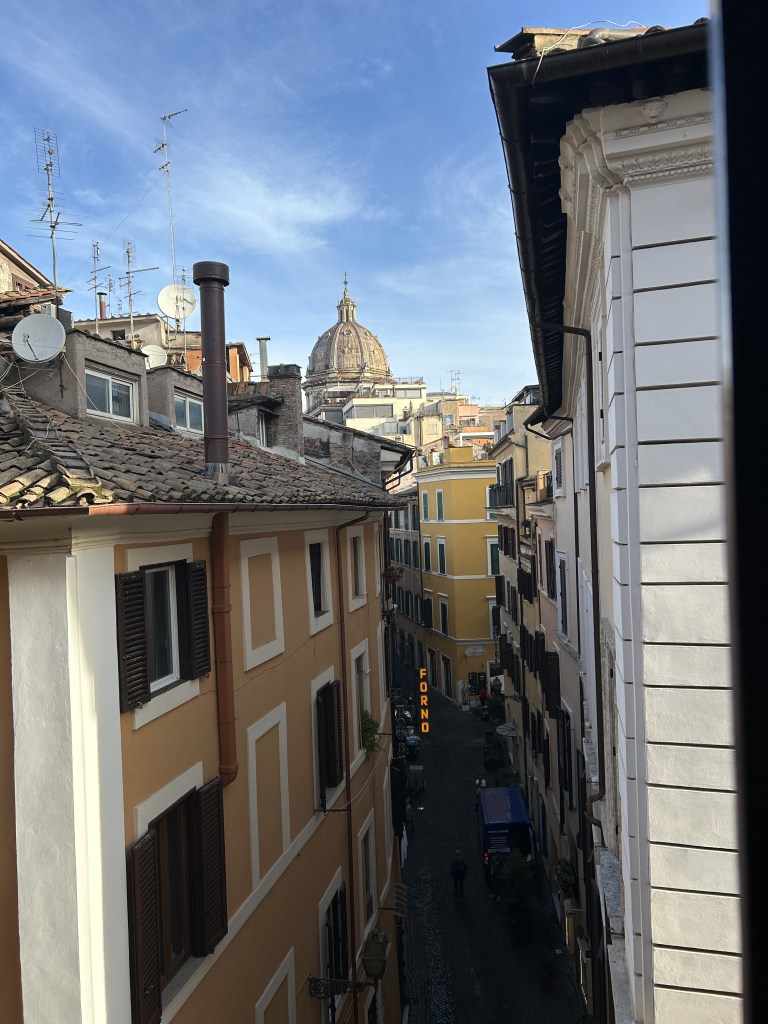


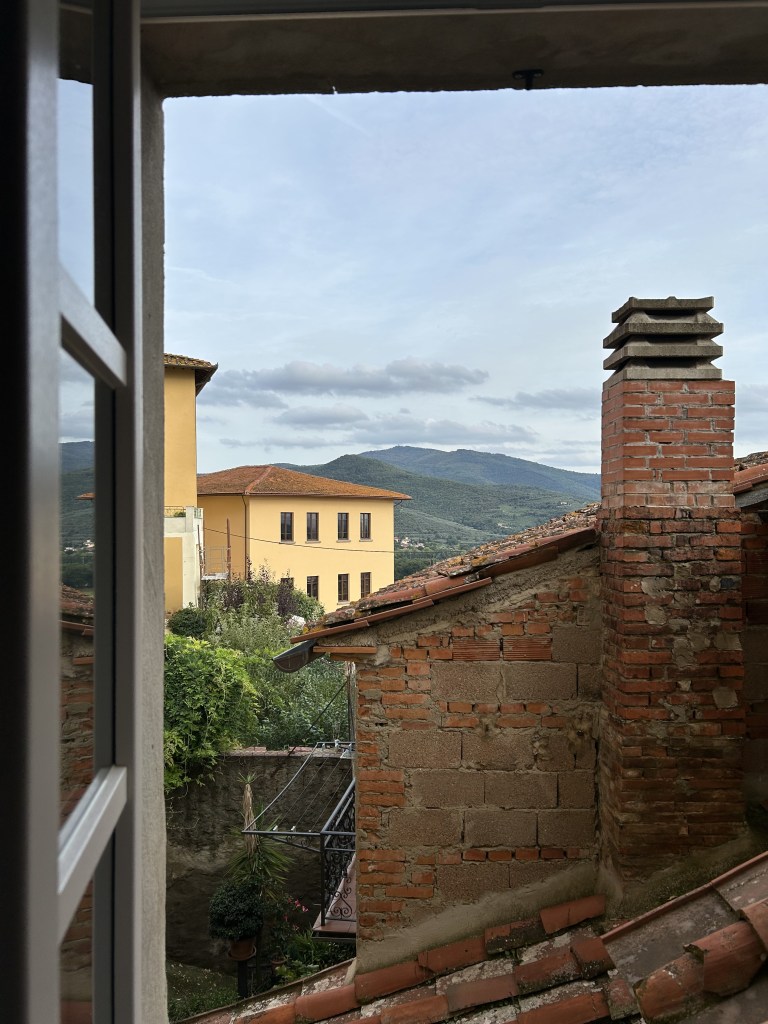
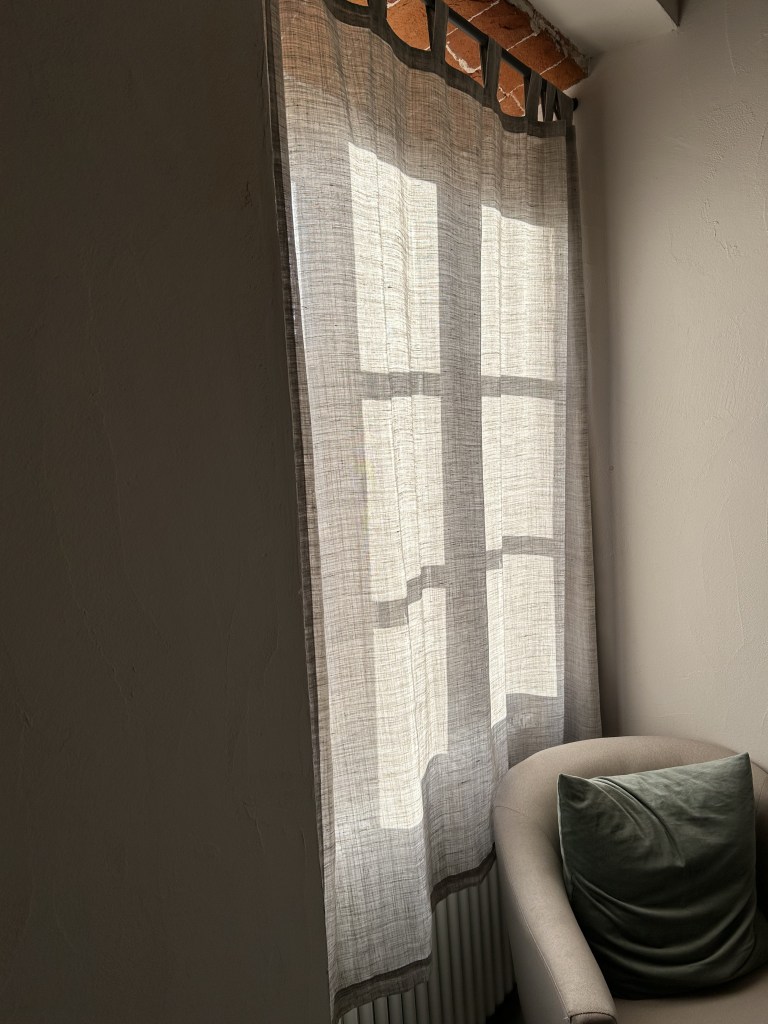
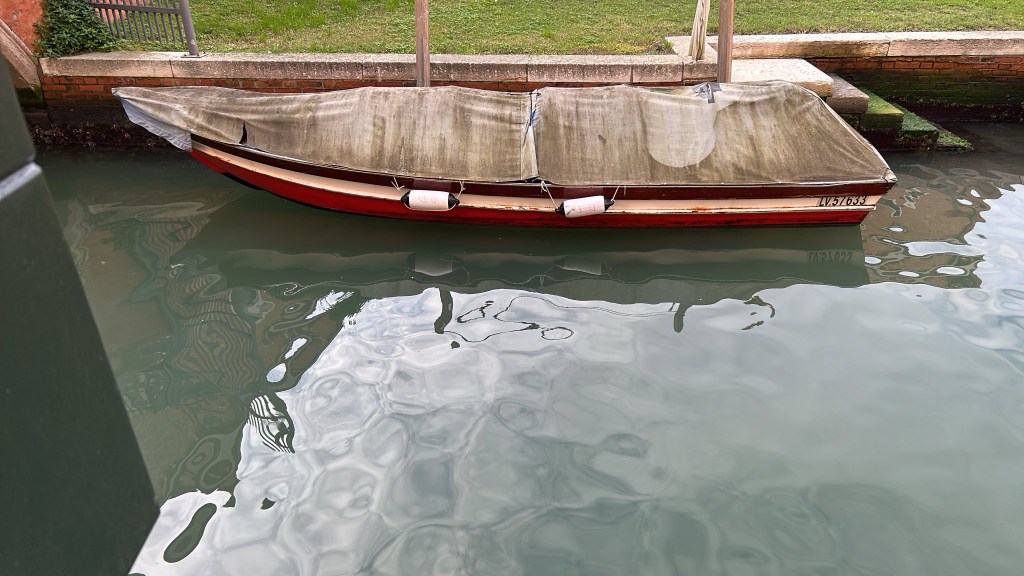
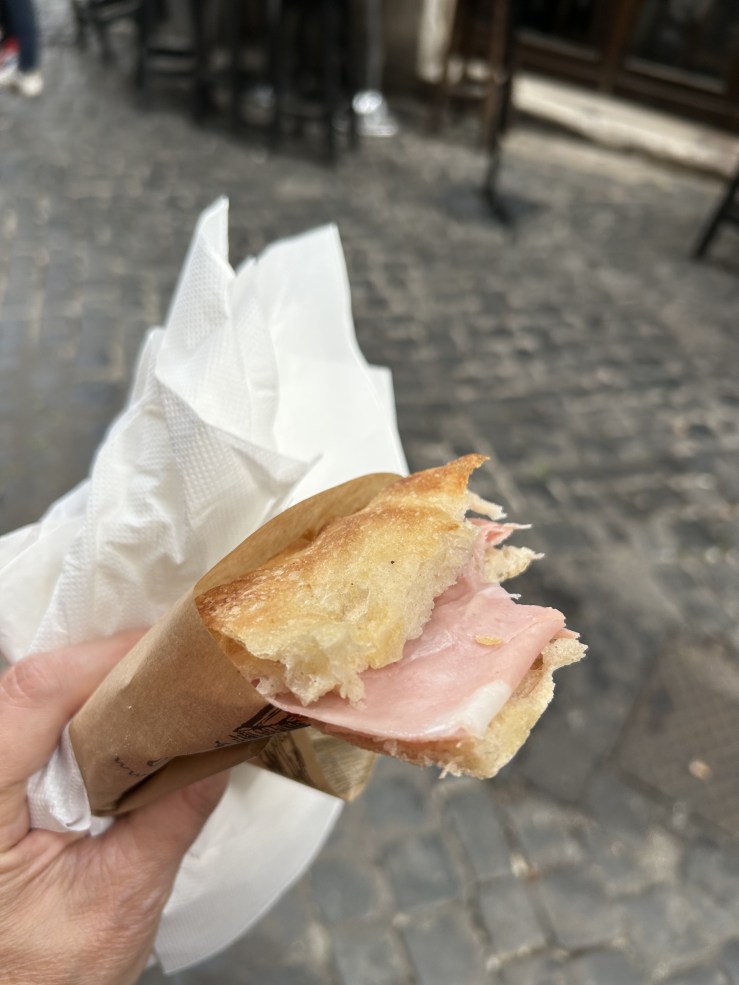
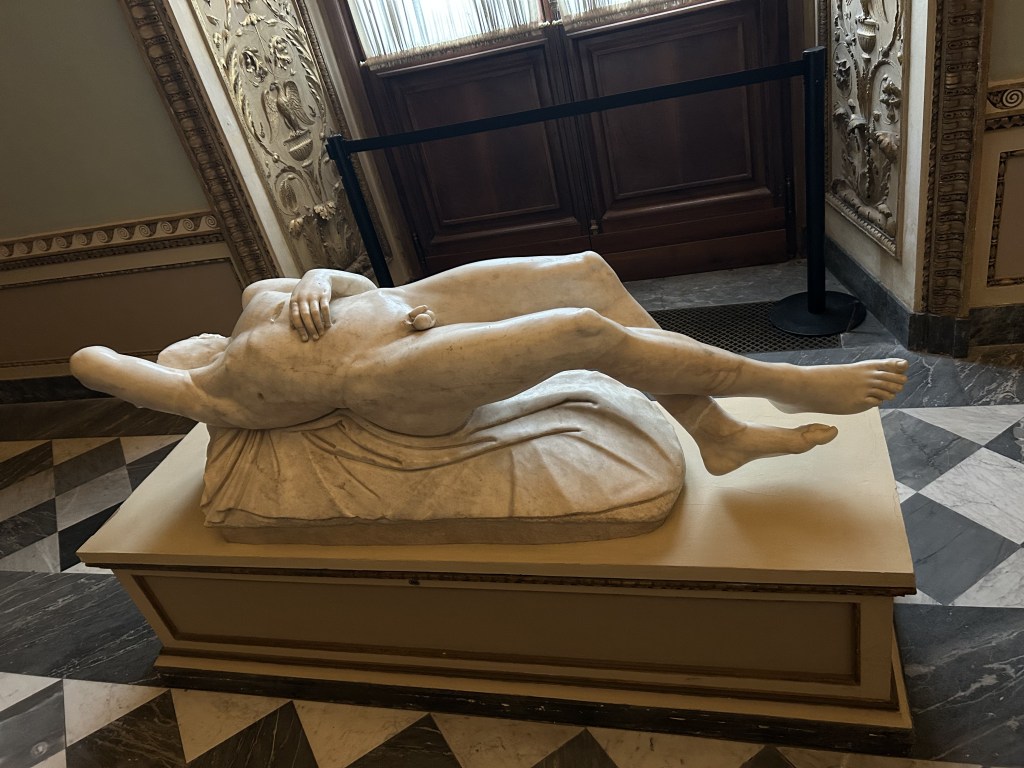
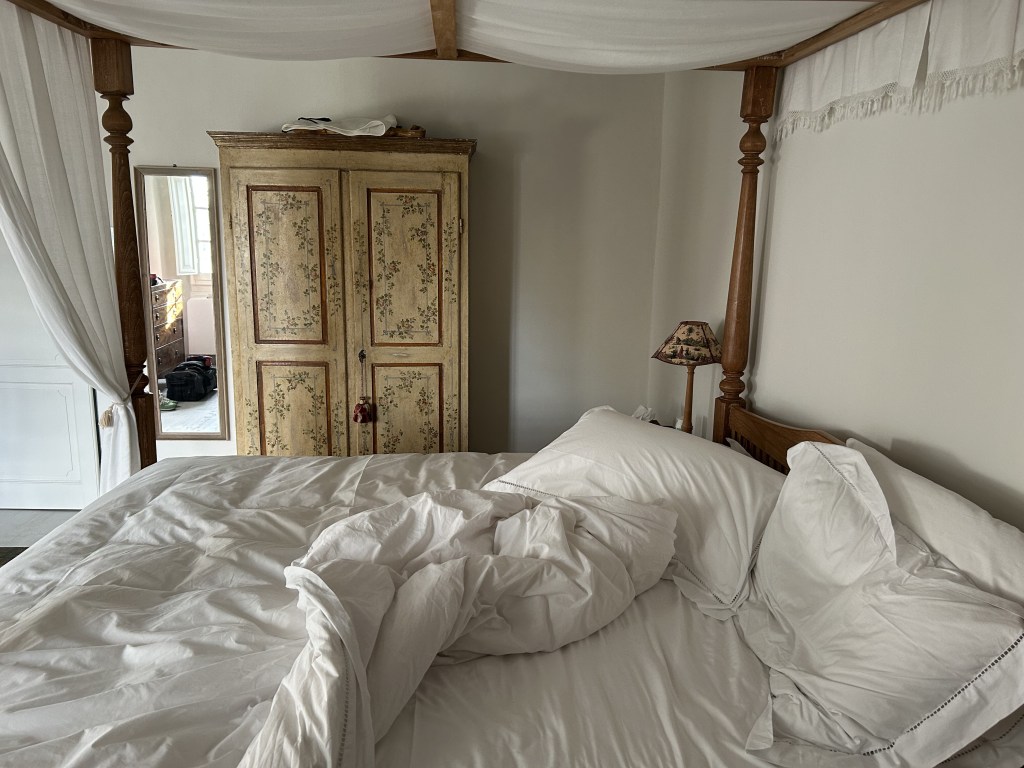
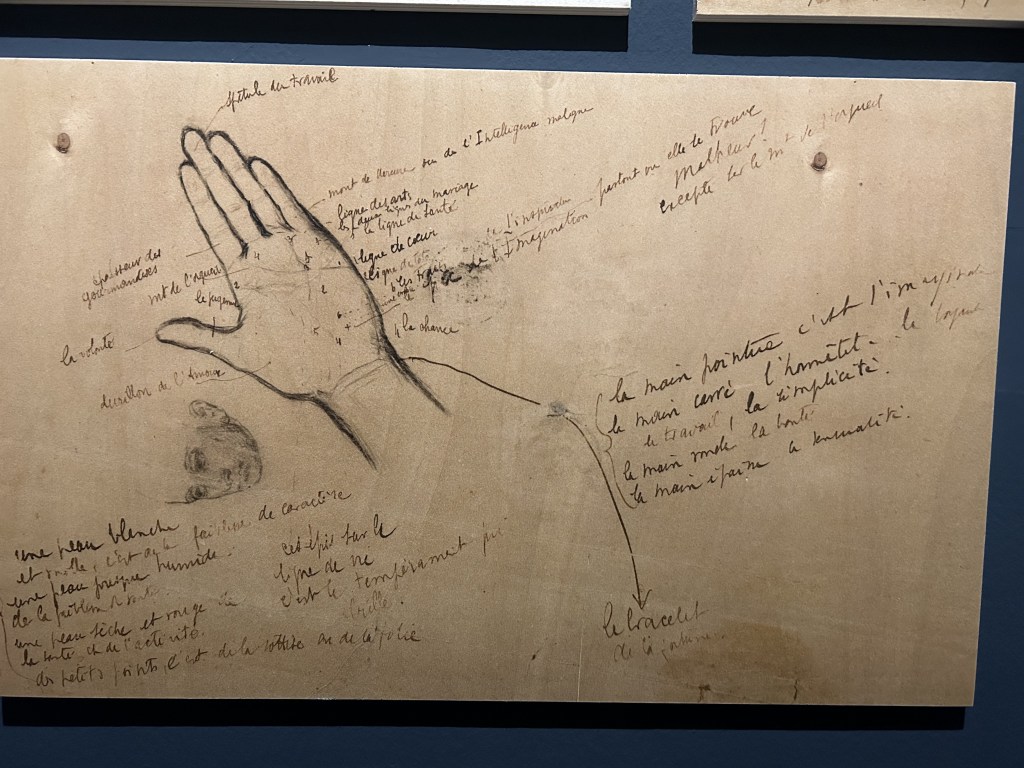


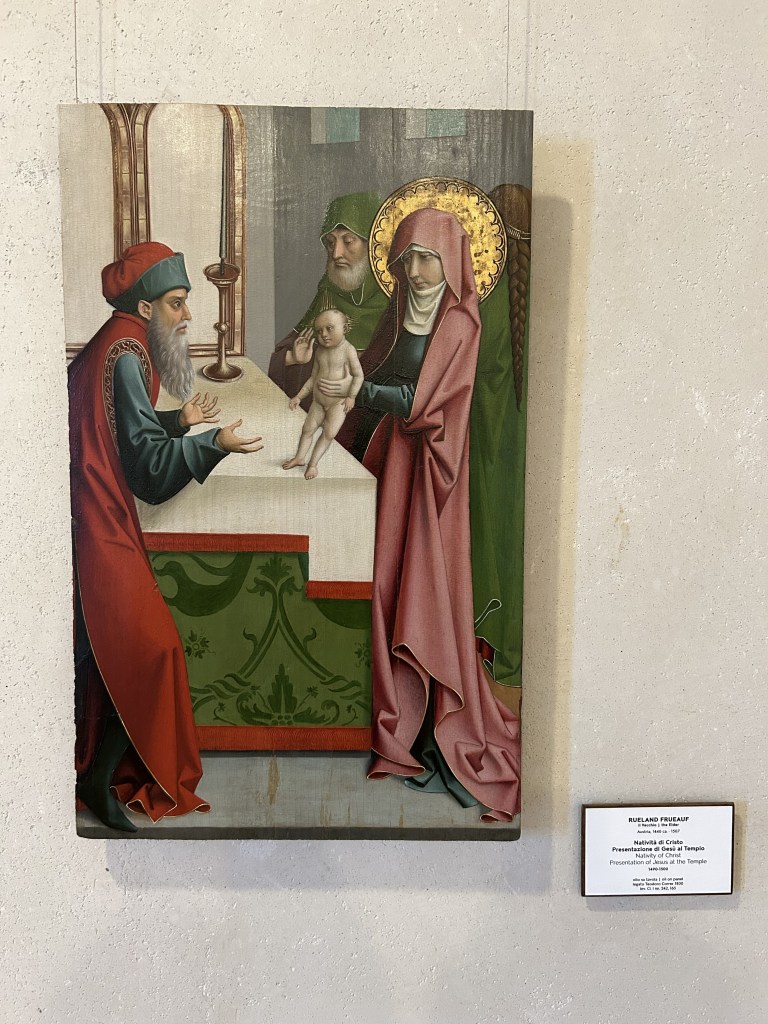
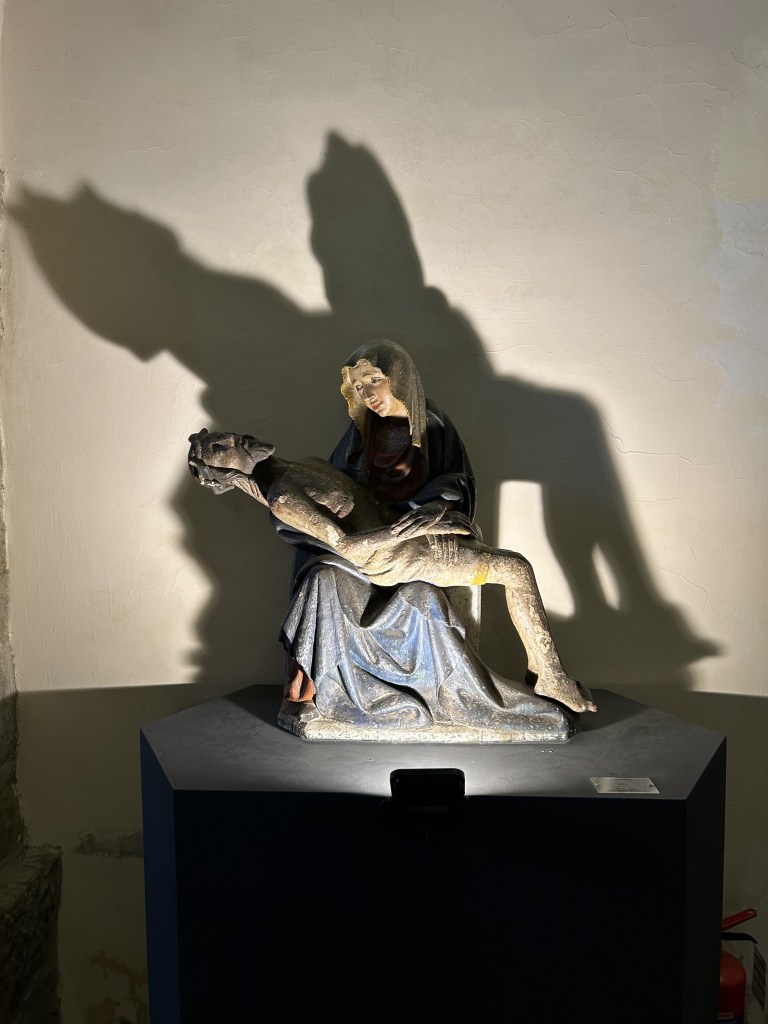


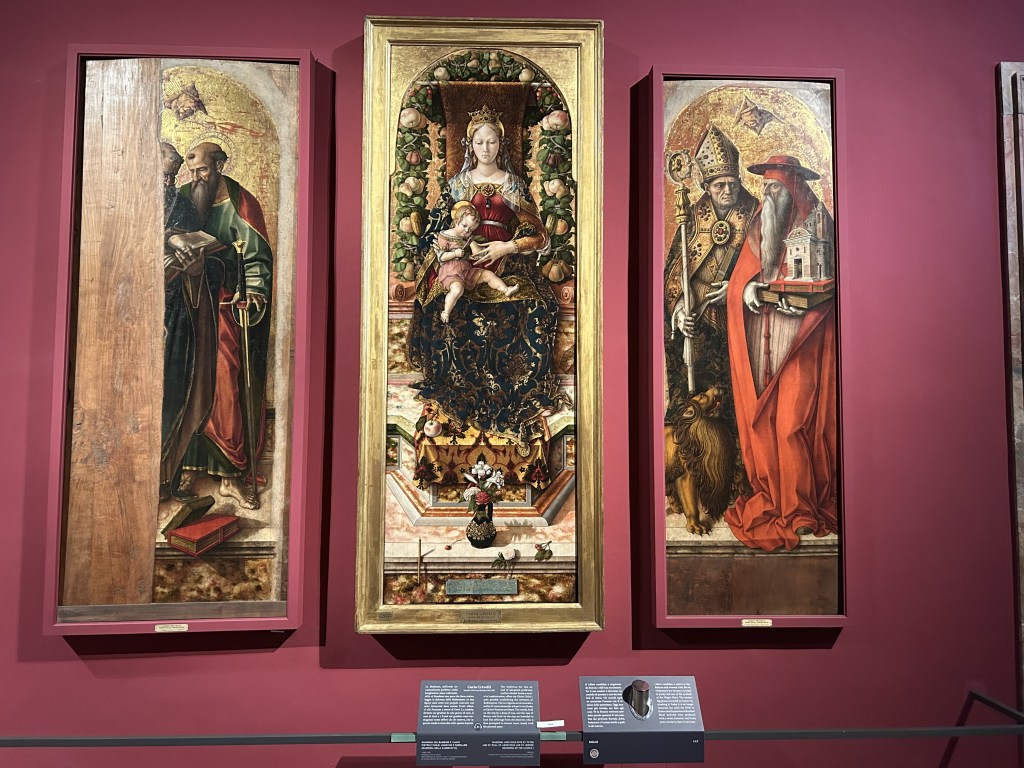

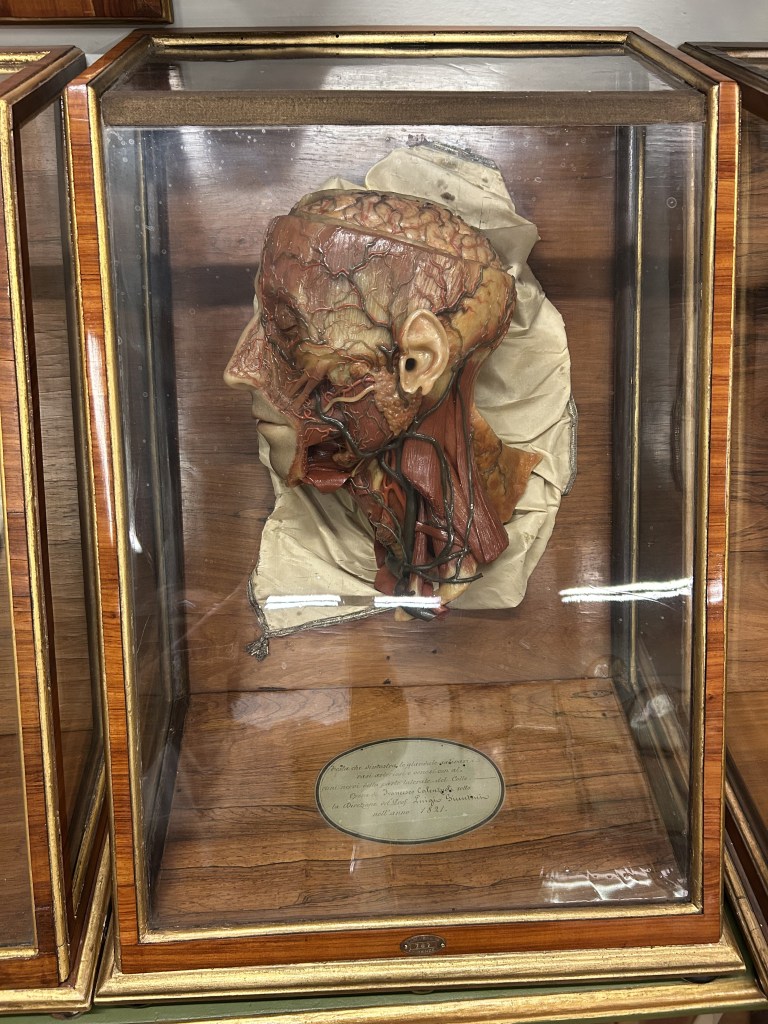

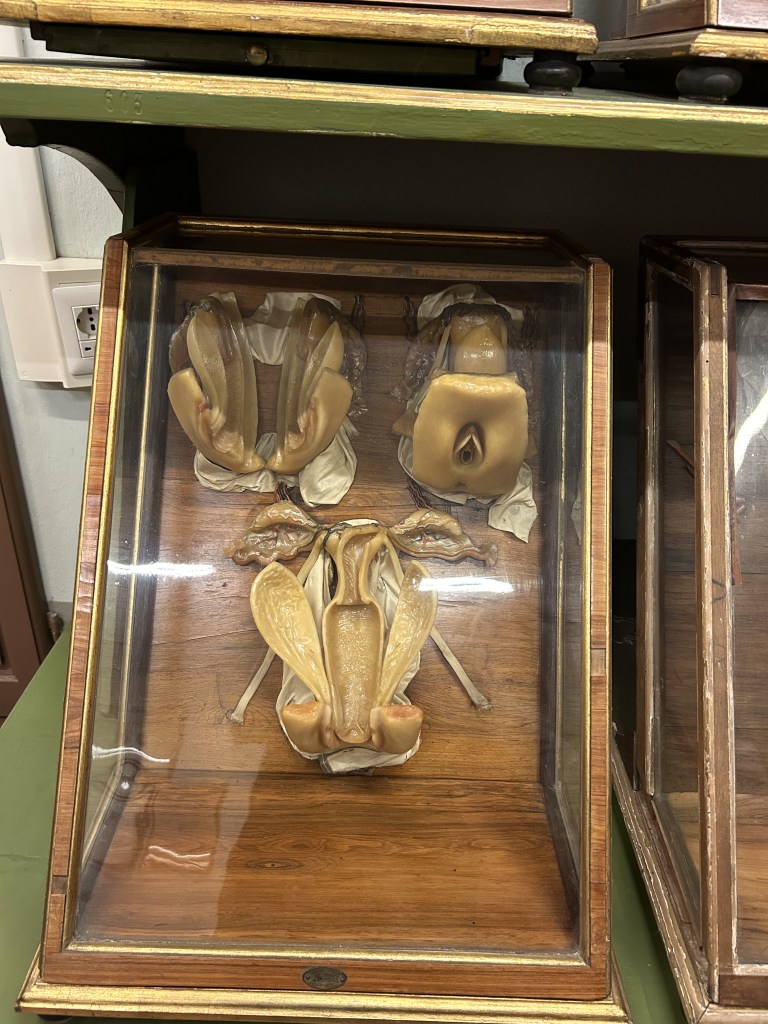
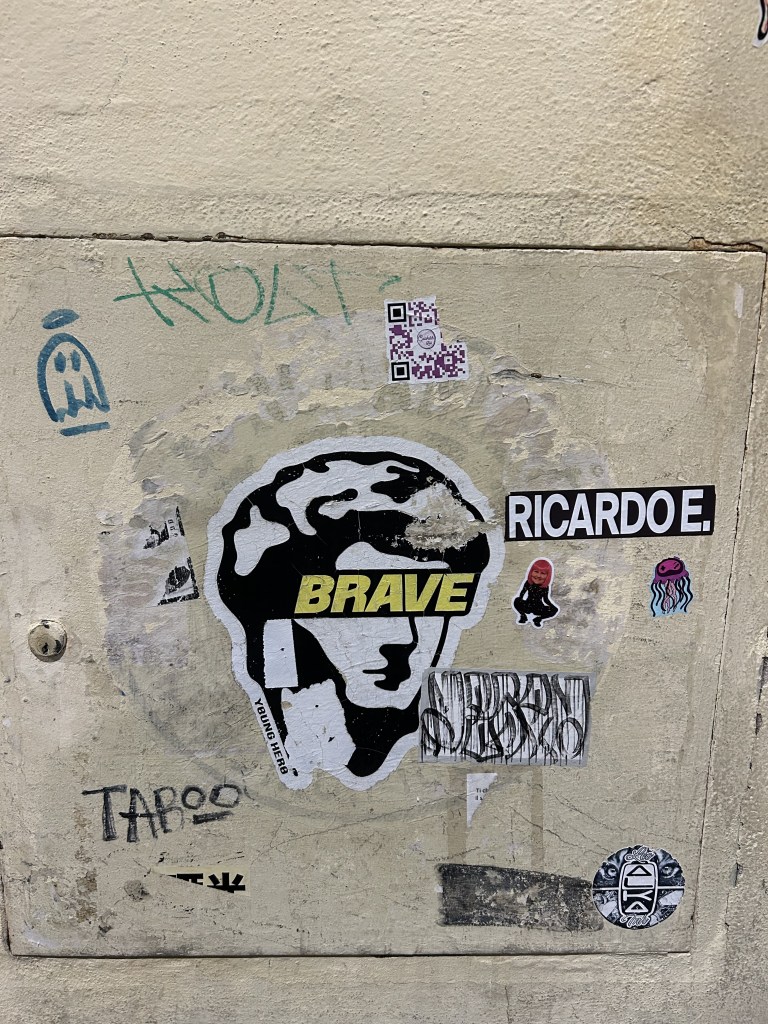

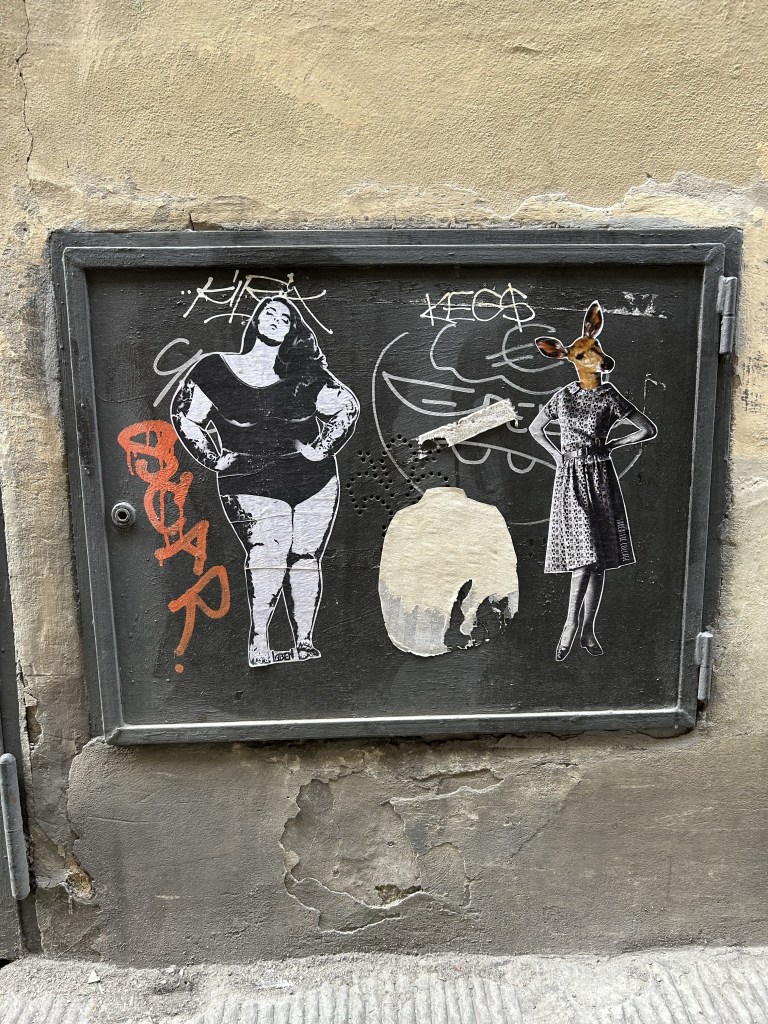

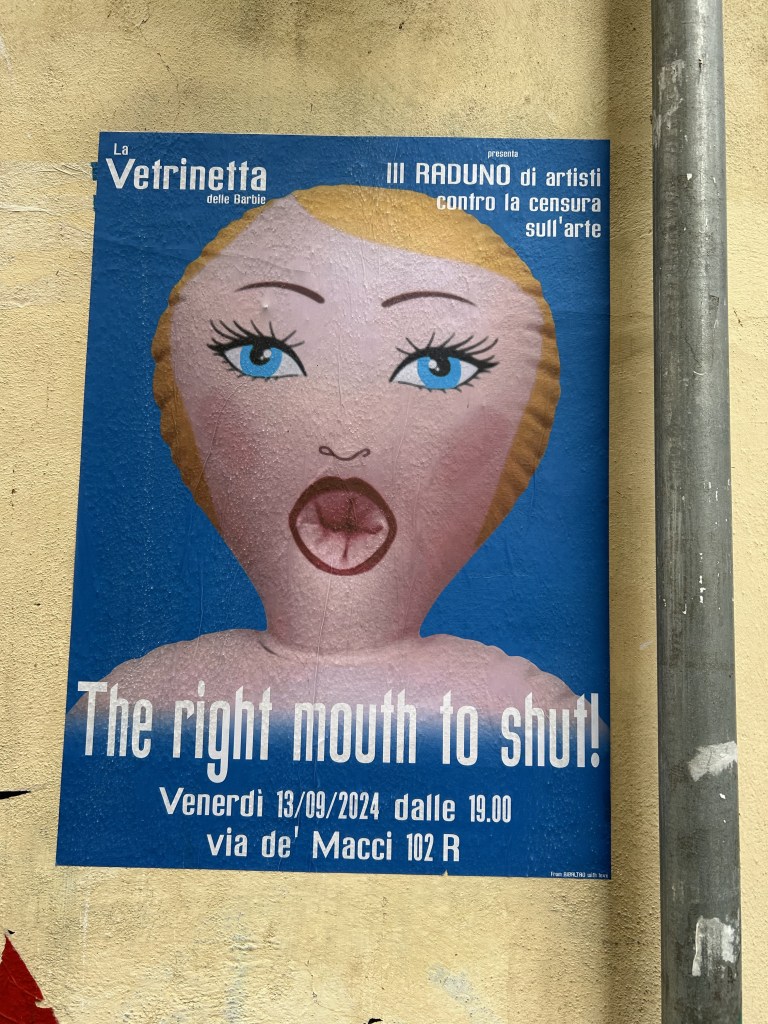
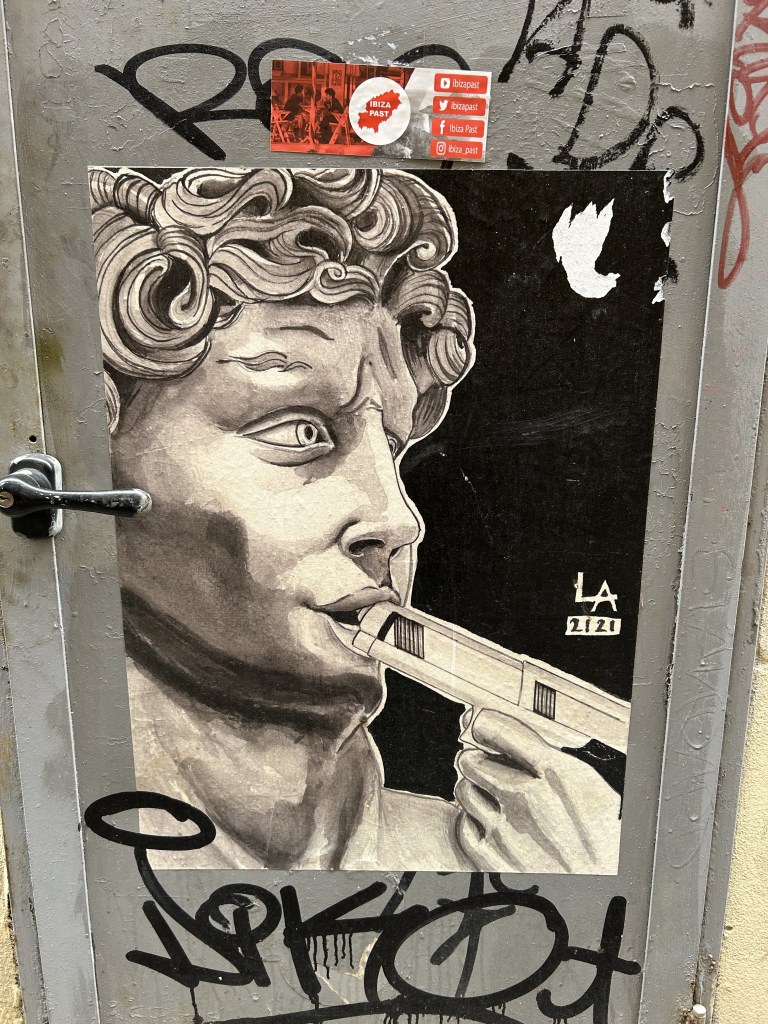
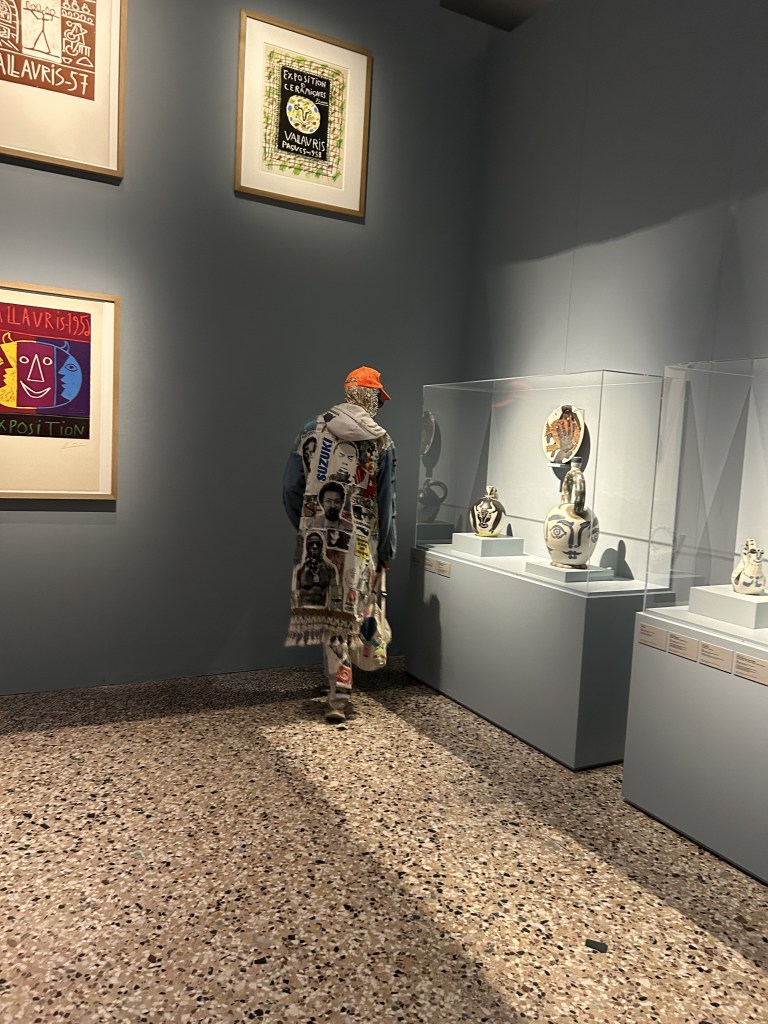

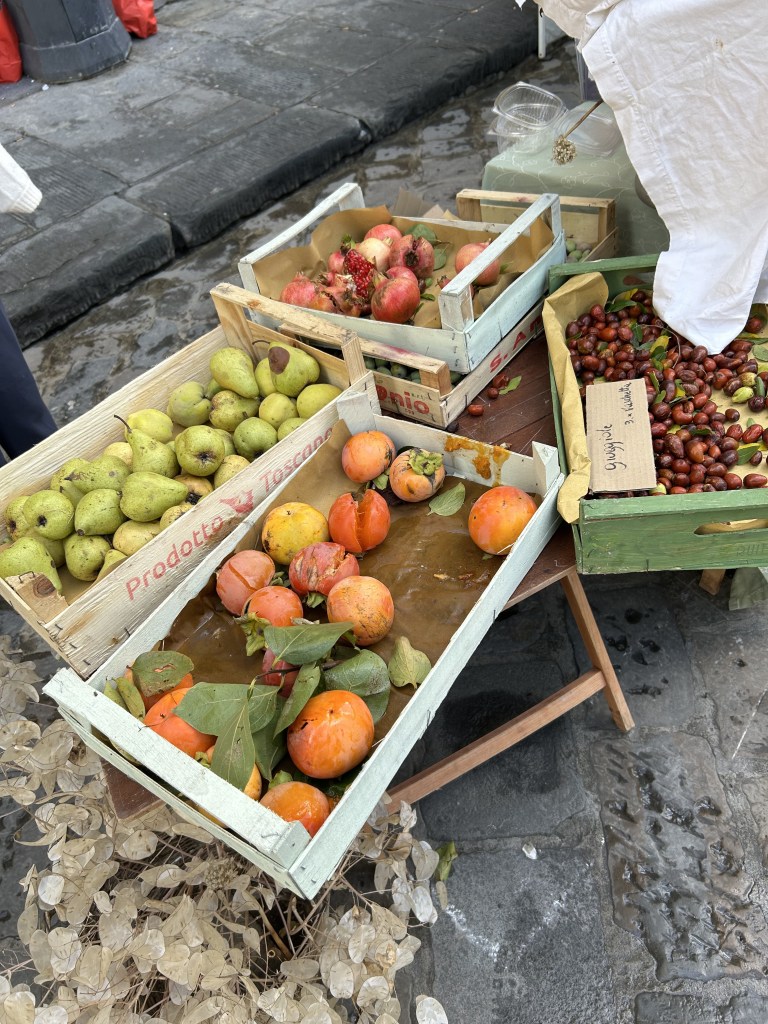
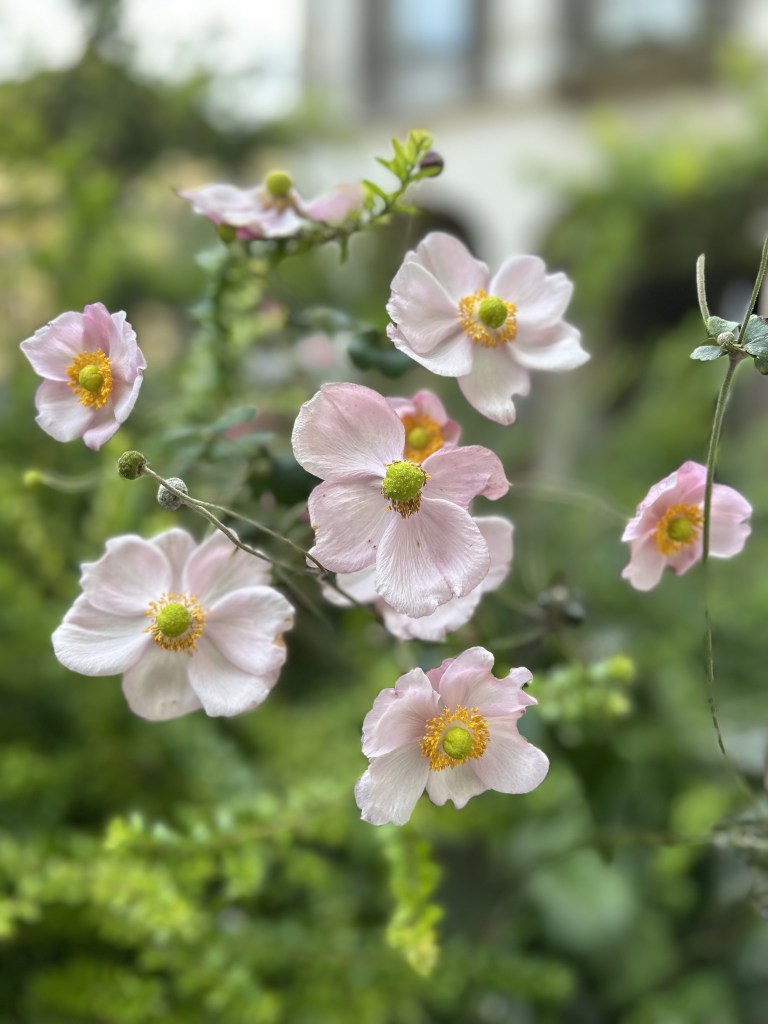

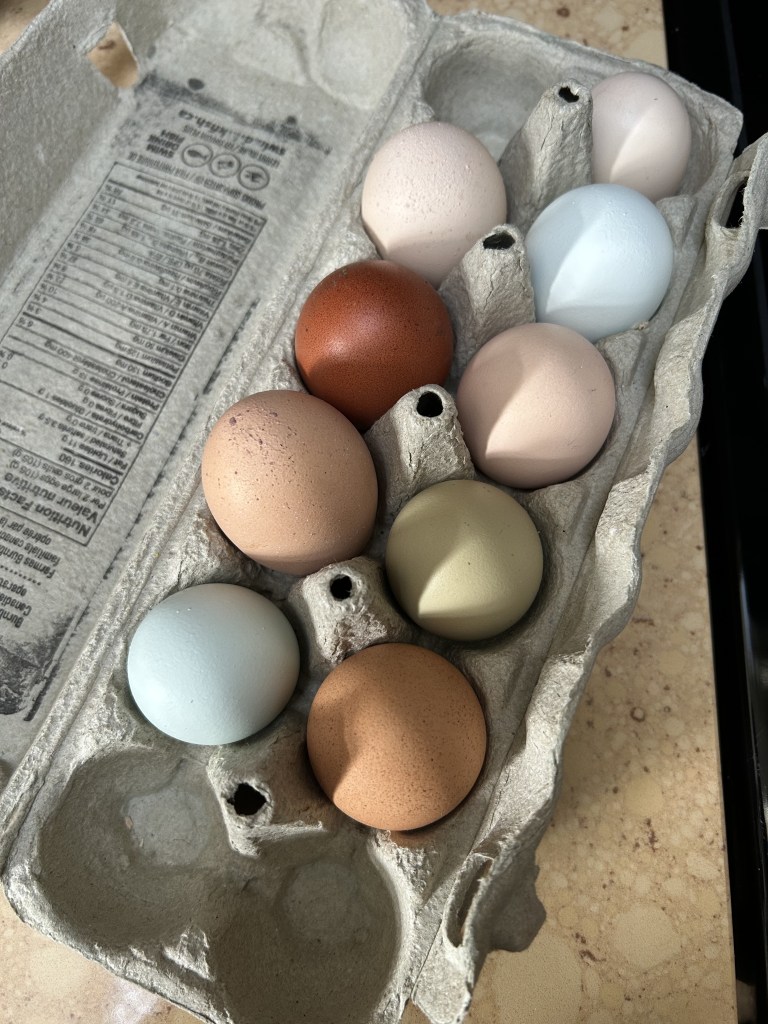


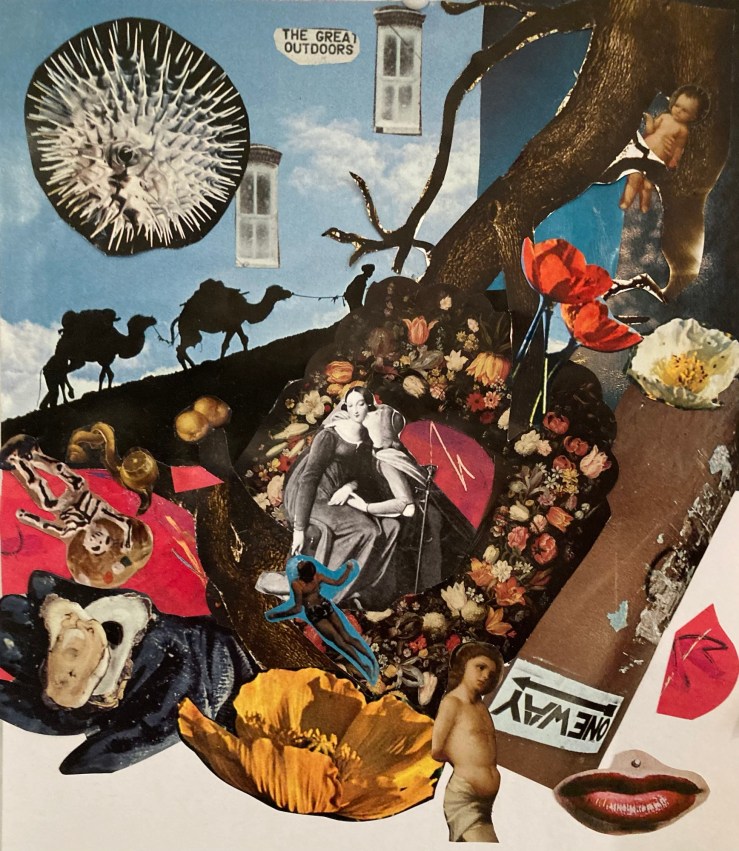


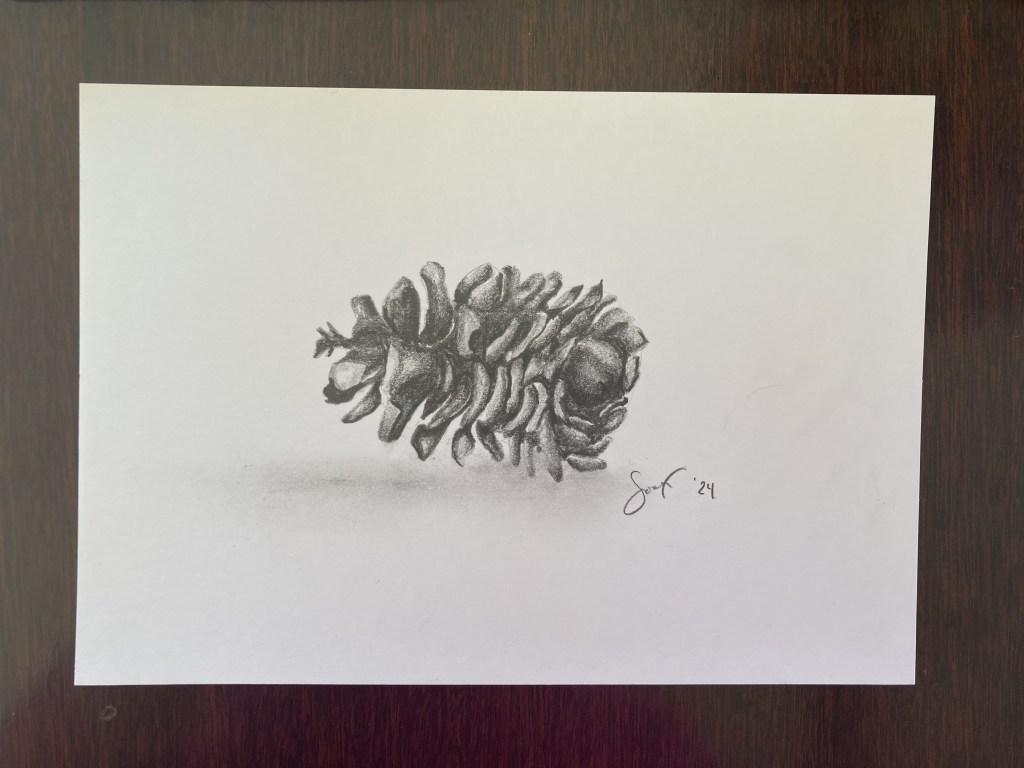


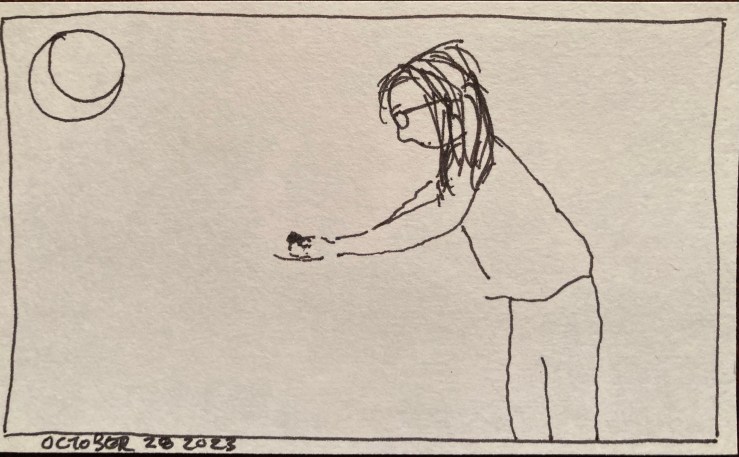


 Process Peace